Severe storms can leave Roswell homeowners facing fallen trees, broken branches, damaged roofs, flooded lawns, and dangerous debris scattered across their property. Knowing what to inspect, which hazards require immediate attention, and when to call a professional can make the difference between a manageable cleanup and a much more expensive restoration project. A clear recovery checklist helps protect your family, reduce additional property damage, and begin restoring your landscape.
Greens and Trees Roswell Ga gathered information about what to do after severe storms to help property owners throughout Roswell, Georgia, respond to storm damage and restore their outdoor spaces. This guide explains common local weather hazards, provides a practical post-storm checklist, identifies when to call an arborist, and outlines when trees, shrubs, and other plants may need fertilization, pruning, or removal.
Key Takeaways for What To Do After Severe Storms
- Put safety first. Stay away from downed power lines, unstable trees, hanging limbs, damaged electrical equipment, and structures that may have shifted. Keep children and pets away from hazardous areas. Contact emergency services when there’s immediate danger and notify the utility provider about downed power lines.
- Inspect your property from a safe location. Look for fallen trees, broken branches, exposed roots, damaged fences, roof debris, broken windows, and standing water. Do not climb onto a damaged roof or attempt to inspect an unstable tree yourself.
- Document visible damage. Take photographs and videos before cleanup when it is safe to do so. Keep records of damaged landscaping, structures, and personal property. Contact your insurance company if storm damage may be covered, and retain receipts for emergency services and repairs.
- Call an arborist when trees may be hazardous. Leaning trunks, split branches, cracked trunks, lifted root plates, and large limbs suspended in the canopy require professional assessment. A qualified arborist can determine whether a tree can be retained safely or needs pruning or removal.
- Avoid unnecessary pruning immediately after a storm. Remove only what can be handled safely. Large limbs and damaged trees may be under tension and can shift unexpectedly. Improper cutting can injure people, damage healthy trees, and create additional hazards.
- Restore lawns and gardens after evaluating soil conditions. Heavy rainfall can cause erosion, compact soil, expose roots, and damage planting beds. When conditions are safe, clear debris, restore drainage, stabilize bare soil, and delay heavy equipment use until saturated ground can support it.
- Fertilize plants according to their needs. Storm-damaged plants do not automatically need fertilizer. First evaluate root health, soil moisture, and overall plant condition. Unnecessarily fertilizing stressed or waterlogged plants may cause additional problems. Soil testing and species-specific recommendations can determine the appropriate timing and nutrient requirements.
- Know when removal is necessary. Trees with severe structural failure, extensive root damage, advanced decay, or serious storm-related instability may require removal. Disease or infestation can also justify removal when a tree is unlikely to recover or presents an unacceptable hazard.
- Coordinate related recovery services. Greens and Trees Roswell and New Image Tree Solutions can address tree care needs, while New Image Roofing Atlanta can assess roofing damage. New Image Line Solutions, New Image Roofing Florida, and D&D Village Construction may provide complementary services in their respective areas when storm recovery requires additional resources.
- Schedule preventive maintenance. Regular tree inspections, appropriate pruning, disease monitoring, roof maintenance, and drainage checks can help identify vulnerabilities before future storms arrive.
A structured checklist helps property owners address immediate dangers first, preserve healthy landscape features, and organize necessary repairs. Professional guidance is particularly valuable when storm damage involves large trees, structures, electrical infrastructure, or conditions that are difficult to evaluate safely.
Severe Weather in Roswell, Georgia
Roswell experiences thunderstorms, strong wind gusts, hail, heavy rainfall, and occasional tornado-producing weather. Tropical systems moving inland can also bring prolonged rain and damaging winds to North Georgia. These weather events may affect entire neighborhoods, leaving homeowners with similar problems at the same time.
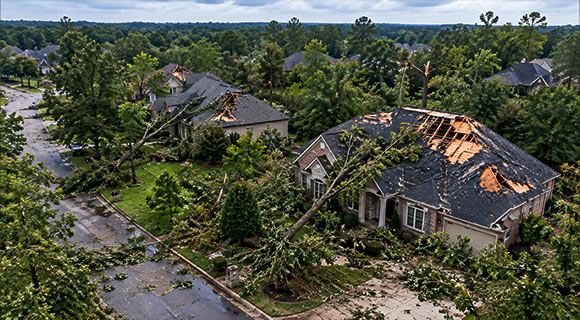
High winds can break branches, split trunks, uproot trees, and scatter debris across lawns and driveways. Falling trees may strike homes, garages, fences, vehicles, and outdoor structures. Roof shingles, gutters, siding, and windows may also sustain damage, allowing water to enter buildings.
Heavy rain can overwhelm drainage systems, wash away mulch and topsoil, flood low-lying gardens, and expose plant roots. Saturated soil can weaken root stability, increasing the risk that trees will lean or fall. Hail may damage leaves, flowers, tender shoots, and young trees.
Multiple hazards may occur simultaneously, and recovery should begin with safety and structural assessment before landscape cleanup. Addressing problems in the right order helps reduce additional damage and supports a more efficient restoration process.
Post-Storm Property Inspection Checklist
Once severe weather has passed and conditions are safe, use this checklist to identify problems requiring attention.
__ Check for immediate hazards. Look for downed power lines, damaged electrical equipment, unstable trees, hanging branches, and structural damage. Call emergency services or the utility provider when appropriate.
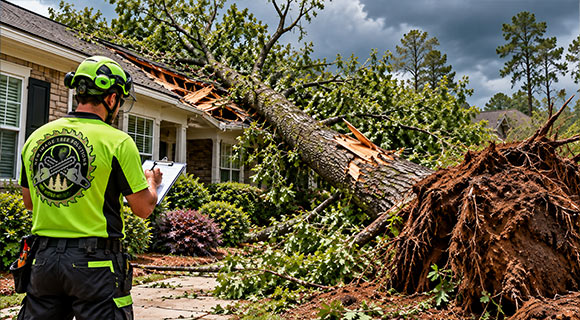
__ Inspect trees and large shrubs. Look for split trunks, broken major limbs, leaning trees, exposed roots, lifted soil around trunks, and extensive canopy damage. Contact an arborist for any structural concerns.
__ Check your roof and exterior. From the ground, look for missing shingles, displaced gutters, damaged siding, broken windows, and tree limbs resting on structures. When you suspect damage, contact a qualified roofing or construction professional.
__ Inspect fences, driveways, and walkways. Fallen branches and uprooted trees may block access or damage paved surfaces. Keep people away from unstable debris.
__ Evaluate lawns and gardens. Look for erosion, standing water, exposed roots, damaged irrigation components, broken planting containers, and displaced shrubs. Photograph significant damage before beginning cleanup.
__ Check drainage. Identify blocked drains, overflowing gutters, washed-out areas, and water collecting near foundations. Arrange repairs if runoff is threatening the home or landscape.
__ Contact your insurance carrier when necessary. Document relevant damage, follow policy requirements, and keep receipts for emergency measures and restoration work.
__ Arrange professional cleanup and repairs. Prioritize hazardous trees, damaged roofing, structural concerns, and conditions that could worsen with additional rainfall.
When Should You Call an Arborist?
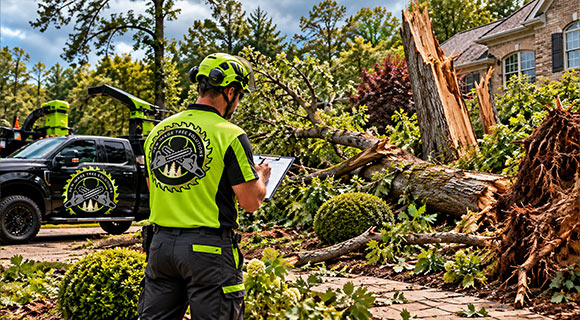
A qualified arborist should evaluate trees when storm damage affects their structural integrity or creates a potential hazard. Warning signs include a leaning tree, a cracked trunk, major broken limbs, significant root exposure, soil lifting around the base, and branches caught overhead.
An arborist can assess whether damaged trees can recover with appropriate pruning or whether removal is necessary. Not every broken branch or damaged tree requires removal. Some trees remain structurally sound despite losing smaller limbs, while others may have hidden root or trunk damage that is difficult to recognize from the ground.
Professional assessment is particularly important for large trees near homes, roads, driveways, play areas, and utility lines. Avoid operating chainsaws near suspended branches or pulling fallen trees away from structures. Such work can involve dangerous forces and unpredictable movement.
Contact an arborist promptly when a tree threatens to fall, a large limb looms over a building, or you see structural damage. If electrical lines are involved, stay clear and contact the utility provider.
When To Have Trees, Shrubs, and Plants Fertilized, Pruned, or Removed
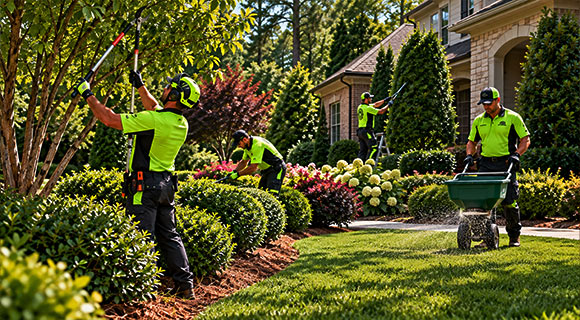
Storm recovery provides an opportunity to evaluate the health and maintenance needs of trees, shrubs, and other landscape plants. However, treatment should reflect the plant species, growing conditions, and actual damage.
Fertilization: Fertilize when a soil test, plant symptoms, or professional assessment indicates a nutrient deficiency. Storm damage alone is not a reason to fertilize. Avoid applying fertilizer to saturated soil or severely stressed roots without professional guidance. Correcting drainage and soil compaction may be more important than adding nutrients.
Pruning: Routine pruning can remove deadwood, improve branch structure, and maintain clearance around buildings and walkways. After storms, evaluate broken branches. Professionals should handle larger limbs, elevated branches, and damaged trees. Pruning timing depends on species, health, flowering habits, and seasonal conditions.
Tree removal: Removal may be necessary when a tree has extensive root failure, a split trunk, severe structural instability, advanced decay, or disease that compromises safety. Serious infestations may also contribute to removal decisions when damage is extensive, or a tree presents an unacceptable hazard. An arborist should assess whether treatment or corrective pruning is a reasonable alternative.
Shrub and plant replacement: Assess broken shrubs, uprooted plants, and damaged garden beds. Healthy plants may recover with proper care, while severely damaged specimens may need replacement. Before replanting, address drainage, soil erosion, and other conditions that contributed to the damage.
Preventive maintenance can reduce some storm-related risks. Regular inspections, appropriate pruning, disease monitoring, and careful planting choices help support healthy landscapes and identify problems before severe weather returns.
Coordinated Storm Damage Recovery Across Georgia and Florida
Severe storms can damage trees, roofs, structures, and utility infrastructure during the same event. New Image Tree Solutions, New Image Line Solutions, and New Image Roofing Atlanta work hand in hand when needed to coordinate complementary services during storm damage recovery.
New Image Tree Solutions addresses tree hazards, including storm-damaged limbs, fallen trees, pruning, and removal. New Image Line Solutions provides line-service capabilities within its scope, while utility providers and authorized professionals must handle downed power lines and hazardous electrical infrastructure. New Image Roofing Atlanta evaluates roofing damage and helps homeowners determine repair or replacement options.
For recovery needs in southern Georgia and Florida, the partnership also includes New Image Roofing Florida and D&D Village Construction. New Image Roofing Florida provides roofing services in its service area, while D&D Village Construction offers construction-related support for damaged building components and other restoration needs.
Coordinating these resources can help property owners organize related repairs and identify the appropriate professionals for each problem. Confirm services, scheduling, and geographic availability directly with the relevant company.
Call Greens and Trees Roswell Ga 404-680-0041
Greens and Trees Roswell Ga, together with New Image Tree Solutions, provides professional tree care and landscape services for property owners throughout Northwest Metro Atlanta.
Storm-damaged trees and landscapes can be difficult to evaluate without professional experience. Greens and Trees Roswell Ga helps property owners address tree care and landscape concerns, including pruning, tree removal, stump grinding, and storm-related hazards.
If you notice leaning trees, hanging limbs, significant root damage, or branches threatening your home, arrange a professional assessment rather than attempting dangerous cleanup yourself. For tree care and landscape assistance, contact Greens and Trees Roswell Ga at 404-680-0041 or visit https://greensandtreesroswellga.com.
Prepare for the Next Storm
After severe weather, homeowners should prioritize safety, inspect property damage, document losses, contact qualified professionals, and restore trees, lawns, and gardens. Knowing when to call an arborist and when pruning, fertilization, or removal is appropriate helps property owners make informed decisions.
Taking these steps promptly can reduce additional damage, protect healthy trees, restore outdoor spaces, and help prevent manageable problems from becoming costly repairs. Regular maintenance and a clear recovery plan also improve preparedness for future severe weather.
Ignoring storm damage can leave unstable trees, hanging branches, drainage problems, and damaged roofs unresolved. These conditions may threaten safety, increase restoration costs, and cause further damage during subsequent rainfall or high winds. A timely, professional approach helps protect your property and maintain a safer, healthier landscape.
(404) 680-0041


Leave a Reply