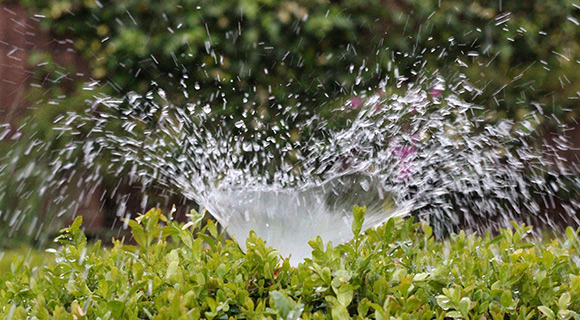
Avoid browning grass, wilted shrubs, or declining trees, assuming that heat or seasonal change caused the problem. In many cases, improper watering is the culprit of these issues. Too little water causes dehydration and root stress, while too much suffocates roots and encourages disease. Understanding correct watering techniques can prevent expensive landscape damage and help property owners maintain vibrant lawns, thriving shrubs, and strong trees.
greensandtreesroswellga.com gathered information about effective watering practices for grass, shrubs, plants, and trees along with guidance about when professional assistance becomes necessary. Information in this article explains how to recognize signs related to improper irrigation, outlines best watering strategies for various landscape elements, and identifies situations when professional arborist assistance may protect long term plant health.
Key Takeaways for Tree and Landscape Watering
Proper watering practices play a critical role in maintaining strong landscapes. Grass, shrubs, plants, and trees depend on consistent moisture levels to support root development and nutrient absorption. When watering habits remain balanced and appropriate for local soil conditions, landscapes grow healthier and require fewer costly repairs.
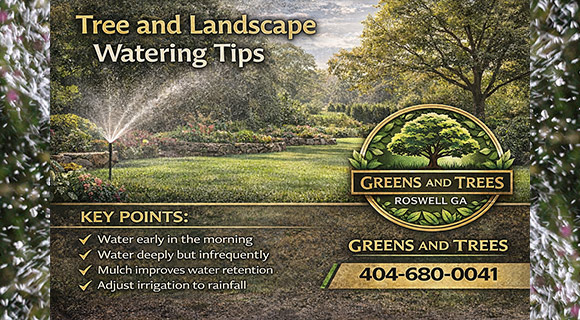
Morning irrigation represents one important principle for successful watering. Early watering sessions allow soil to absorb moisture before heat increases evaporation rates. This approach maximizes efficiency and ensures roots receive adequate hydration. Evening watering often creates excessive moisture within foliage and soil surfaces, encouraging fungal development that can harm plants.
Deep watering methods also strengthen landscape resilience. Shallow watering encourages roots to remain near the soil surface, where temperature fluctuations and drought conditions quickly cause stress. Slow irrigation sessions allow moisture to reach deeper layers where roots can expand and stabilize plants. Deep root systems help trees and shrubs withstand storms and dry periods.
Mulch plays another important role in water management. Organic mulch surrounding trees and garden beds helps regulate soil temperature while slowing evaporation. Mulch layers also suppress weeds that compete for valuable water and nutrients. Landscapes with proper mulch coverage typically maintain healthier root environments throughout seasonal changes.
Monitoring rainfall represents another essential step for maintaining balanced moisture levels. Many irrigation systems continue operating after heavy rain events, causing soil saturation. Adjusting watering schedules based on rainfall prevents root suffocation and reduces the risk associated with fungal disease development.
Property owners should remain alert for warning signs indicating watering problems. Yellow leaves, drooping branches, brittle grass, and mold growth near the soil surface often reveal an irrigation imbalance. Recognizing these symptoms early helps property owners change watering schedules before long-term damage occurs.
Professional arborists offer valuable expertise when tree health concerns arise. Certified specialists evaluate soil moisture levels, root conditions, pest activity, and structural stability. Arborists also recommend pruning, fertilization, or removal when plant decline threatens surrounding landscapes or structures.
Balanced watering combined with professional maintenance ensures landscapes remain healthy and visually appealing. Grass stays green, shrubs flourish, and trees develop strong structural integrity capable of supporting long life spans.
Best Watering Practices for Grass, Plants, Shrubs, and Trees
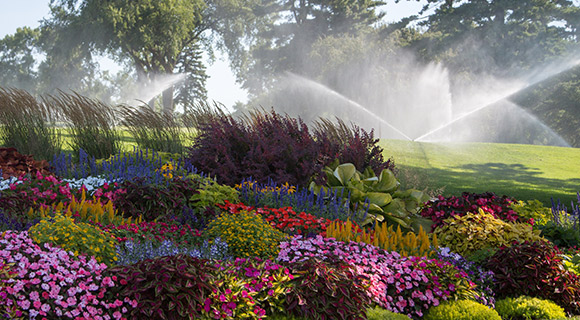
Proper watering involves more than simply turning on a sprinkler. Timing, duration, and soil conditions all influence plant health.
Water early during morning hours
Early morning watering allows the soil to absorb moisture before sun intensity increases. Midday watering causes rapid evaporation while evening watering encourages fungal growth.
Deep watering encourages strong roots
Frequent shallow watering creates weak root systems. Grass, shrubs, and trees benefit from slower deep watering sessions that penetrate the soil several inches below the surface.
Adjust watering based on soil type
Clay soil retains water longer while sandy soil drains quickly. Clay landscapes require less frequent watering, while sandy conditions may require additional irrigation sessions.
Use drip irrigation when possible
Drip systems deliver water directly into root zones, reducing waste and limiting evaporation. Shrubs, trees, and garden beds respond well to targeted irrigation methods.
Monitor rainfall
Heavy rain reduces the need for additional watering. Property owners should adjust irrigation systems accordingly to avoid over-saturation.
Mulch improves water retention
Organic mulch surrounding trees and shrubs helps maintain moisture levels while protecting roots from temperature extremes.
Consequences of Underwatering
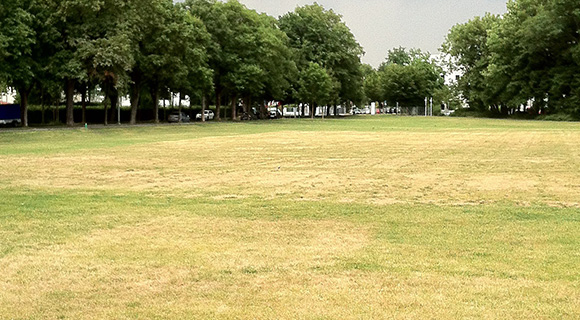
Underwatering causes serious stress within plant structures. Grass may appear dry and brittle while shrubs begin dropping leaves prematurely. Trees suffering drought stress often display curled leaves, thinning canopies, and branch dieback.
Extended periods without adequate moisture weaken natural defense systems. Stressed trees become vulnerable to insects and disease organisms that normally would not pose serious threats.
Root systems shrink during drought conditions, reducing the ability to absorb nutrients. Eventually, structural integrity declines and large limbs may fail during storms.
Consequences of Overwatering
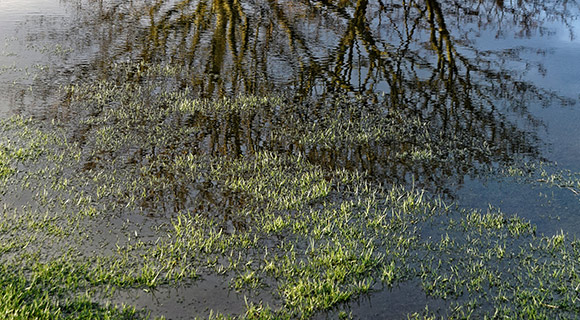
Many landscapes suffer damage caused by excessive irrigation. Saturated soil blocks oxygen flow into root systems. Roots require oxygen to survive and absorb nutrients.
Overwatered landscapes often develop fungal diseases that attack roots and stems. Yellowing leaves, slow growth, and mold growth near the base of plants signal water-related problems.
Standing water near trees can eventually cause root rot, which may lead to tree instability and sudden failure. Maintaining balanced moisture levels prevents these issues.
When Property Owners Should Call an Arborist

Professional arborist assistance becomes important when trees display symptoms related to stress or decline. Warning signs may include:
- Sudden branch drop
- Cracks are forming within the trunk structure
- Dead limbs appearing in the upper canopy
- Visible insect infestations
- Mushrooms growing near the base of the trunk
These conditions may indicate disease, internal decay, or structural weakness.
Property owners uncertain about their tree’s health should call Greens and Trees Roswell Ga for an evaluation. Certified arborists can assess root health, soil conditions, and canopy structure (while recommending solutions such as pruning, fertilization, pest treatment, or removal when necessary).
Fertilizing, Pruning, and Removing Landscape Plants
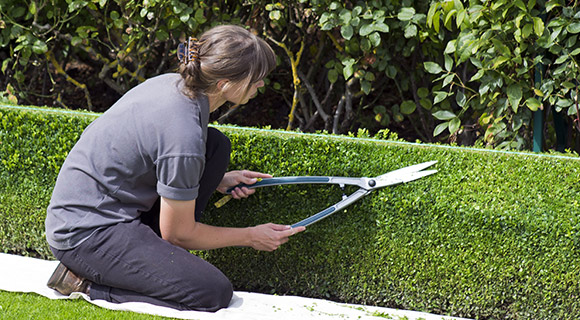
Watering alone does not guarantee plant health. Landscapes require periodic maintenance to remain strong and balanced.
Fertilization
Trees, shrubs, and plants benefit from nutrient supplementation during active growth periods. Soil testing helps determine the correct fertilizer composition and application timing.
Pruning
Regular pruning removes dead or damaged branches while encouraging healthy growth patterns. Proper pruning also improves air circulation and sunlight penetration within plant canopies.
Plant Removal
Certain conditions require removal rather than treatment. Examples include:
- Severe root rot caused by prolonged saturation
- Advanced trunk decay from fungal infection
- Insect infestations like bark beetles disrupting vascular systems
- Storm-damaged trees presenting safety hazards
Removing compromised plants prevents property damage and protects surrounding vegetation.
Professional arborists will evaluate a tree’s structural stability before recommending removal.
Landscape Watering Tips
In this article, readers learned how proper watering practices influence landscape health. Information explaining correct irrigation timing, deep watering benefits, soil considerations, and warning signs related to overwatering or drought stress. This guide also outlined situations when professional arborist assistance becomes necessary and when fertilization, pruning, or plant removal may protect a landscape.
Following these watering principles produces healthier grass, vibrant shrubs, and stronger trees capable of thriving throughout changing seasons. Balanced irrigation encourages deeper root systems, reduces disease risk, and helps landscapes withstand environmental stress while maintaining an attractive appearance.
Ignoring best watering practices often leads to declining landscapes, costly tree damage, and increased risk associated with falling branches or unstable trees. Without proper moisture management and professional oversight, plants weaken, diseases spread, and property owners face expensive repairs that could have been avoided through proactive landscape care.
Sources:
site.extension.uga.edu/lincoln/the-goldilocks-dilemma-watering-your-landscape
ucanr.edu/blog/over-fence-alameda-county/article/watering-landscape-trees-and-shrubs-good-and-bad
(404) 680-0041
 Greens and Trees Roswell Ga
Leave a comment