
Are you tired of spreading material around trees and garden beds without understanding how mulch type, depth, and timing influence landscape health? Knowing how mulch supports roots, moderates temperature swings, and reduces moisture loss gives you control over long-term landscape success, helping avoid costly tree and plant decline.
greensandtreesroswellga.com gathered information on mulch selection, application methods, and arborist-backed landscape practices that support trees, shrubs, and garden plants through seasonal changes. This guide explains popular mulch options, practical uses, and when professional guidance becomes essential for long-term plant vitality.
Why Mulch Matters for Trees, Shrubs, and Gardens
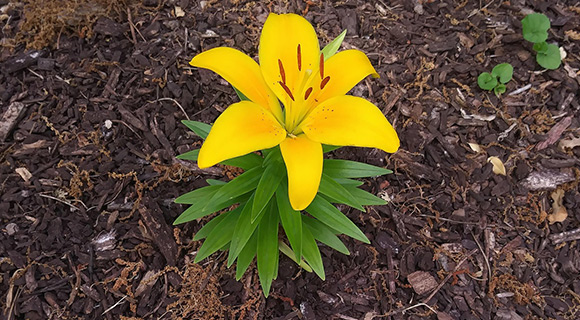
Mulch works as a protective layer that shields soil from extreme temperatures, heavy rain impact, and evaporation. Around trees and shrubs, mulch stabilizes moisture levels while discouraging competing weeds. In garden beds, it improves soil structure over time and supports beneficial organisms that enrich root zones.
Proper mulch application also reduces erosion and minimizes compaction caused by foot traffic or rainfall. When applied correctly, mulch creates a buffer that allows root systems to expand without stress.
Organic Mulch Options
1. Wood Chips and Bark Mulch
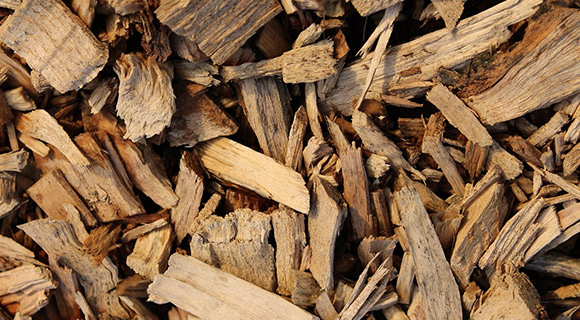
Wood chips and shredded bark remain popular choices for trees and shrubs. These materials decompose slowly, making them ideal for long-term moisture retention and weed suppression. They also improve soil texture as they break down.
2. Pine Straw
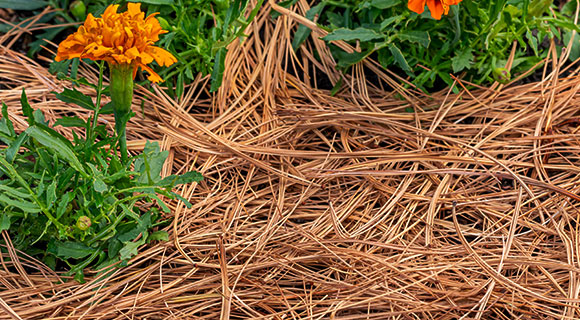
Pine straw works well for acidic soil preferences, like azaleas and certain ornamentals. It allows water penetration while remaining lightweight and easy to refresh. Pine straw resists compaction and provides a clean, natural appearance.
3. Hardwood Mulch
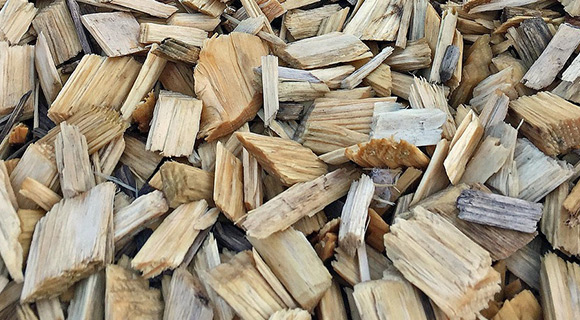
Hardwood mulch offers durability and visual appeal. It suits landscape beds where long-lasting coverage matters. As it decomposes, it adds organic matter that supports microbial activity.
4. Homemade Organic Mulch
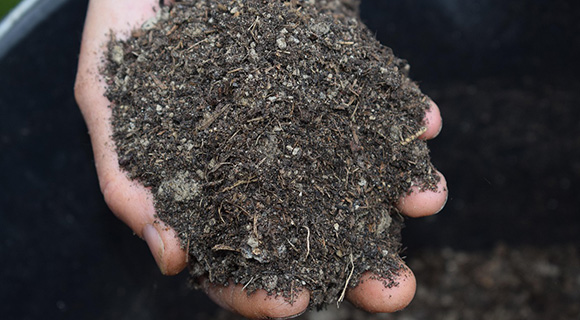
Homemade organic mulch offers a budget-friendly and sustainable option. This mulch can be created using shredded leaves, grass clippings, small twigs, untreated wood shavings, and garden trimmings. Combine materials in layers, allowing airflow to prevent matting. Avoid using diseased plants or invasive weeds.
Leaves should be shredded before use (to avoid forming dense layers that block water). Grass clippings work best when mixed with drier materials to prevent odor buildup. Homemade mulch decomposes faster, so regular replenishment remains crucial.
Inorganic Mulch Options
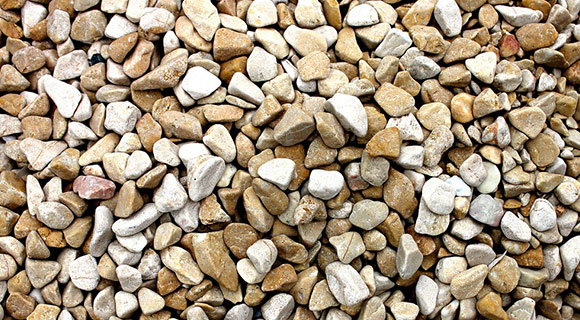
Gravel and stone mulch provide decorative appeal and resist decomposition. These materials are suitable for areas where water pooling creates issues or where plantings require excellent drainage. Inorganic mulch reflects heat, so it works best away from tender roots or paired with drought-tolerant plants.
Note: Landscape fabric combined with mulch can help in high-traffic areas. Proper installation remains critical to avoid root restriction.
When to Call an Arborist
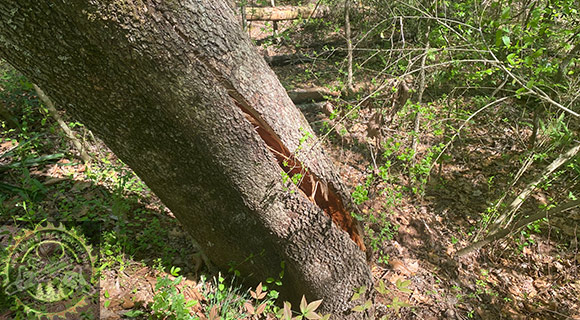
An arborist should be consulted when trees show signs such as thinning canopy, cracked bark, leaning trunks, or root exposure. Mulch misuse around tree bases can trap moisture, leading to decay. Arborists assess root flare exposure, mulch depth, and placement to prevent long-term damage.
Professional guidance also becomes important after storms, construction activity, or visible pest activity. Arborists help determine whether pruning, soil improvement, or removal remains the safest option.
Why Call Greens and Trees Roswell Ga 404-680-0041
Greens and Trees Roswell Ga together with New Image Tree Solutions, provides arborist-led assessments tailored to regional soil conditions and plant species. Their team evaluates mulch practices alongside pruning schedules and fertilization plans. This integrated approach ensures trees and shrubs receive care aligned with growth cycles rather than generic landscaping trends.
Their services protect property safety (preserving plant health across seasons).
Fertilizing, Pruning, and Removal Timing

Mulch works best when paired with proper fertilization and pruning schedules. Fertilization supports nutrient uptake, especially where organic mulch breaks down slowly. Pruning should occur during dormant periods or after bloom cycles, depending on the species.
Removal becomes necessary when trees show advanced disease, severe storm damage, or root failure that threatens structures. Early evaluation reduces emergency risks and property damage.
Key Takeaways for Tree, Shrub, and Garden Mulch
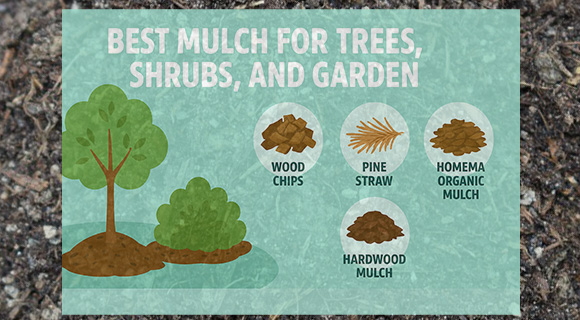
Mulch selection influences soil health, root development, and long-term plant resilience. Organic options improve soil structure and moisture retention, while inorganic materials offer durability and drainage control. Wood chips and bark mulch support trees and shrubs by decomposing slowly and enhancing microbial activity. Pine straw suits specific plant types (offering easy maintenance). Homemade organic mulch is flexible and sustainable when made with proper materials and balanced composition.
Correct application matters as much as material choice. Mulch should be spread evenly, avoiding direct contact with tree trunks or shrub stems. Excess depth can restrict airflow and promote decay, while insufficient coverage limits benefits. Seasonal replenishment ensures continued protection during temperature fluctuations.
Arborist involvement remains critical when uncertainty arises. Professionals assess soil conditions, root health, and environmental stress factors that mulch alone cannot resolve. Calling Greens and Trees Roswell Ga ensures decisions align with plant biology and safety standards rather than guesswork.
Strategic fertilization, pruning, and removal complement mulching efforts. These practices support plant energy allocation, reduce disease risk, and prevent hazardous failures. Mulch remains one component within a complete landscape care plan that prioritizes long-term stability.
Landscape Mulching
In this article, you discovered how mulch supports trees, shrubs, and garden plants by regulating moisture, controlling temperature, and improving soil. It outlined organic, inorganic, and homemade mulch options while emphasizing proper application techniques.
Using the right mulch improves plant health, reduces maintenance demands, and creates a resilient landscape that adapts to seasonal changes. Combined with arborist guidance, these practices lead to stronger growth and fewer long-term issues.
Ignoring mulch selection and placement increases stress on plants, accelerates decline, and increases the risk of disease, pests, and root damage. Without informed decisions, property owners often face higher replacement costs and avoidable landscape failures.
Sources:
extension.umn.edu/news/mulching-101-secret-healthy-and-happy-garden
extension.illinois.edu/sites/default/files/organic_mulches.pdf
(404) 680-0041
 Greens and Trees Roswell Ga
Leave a comment