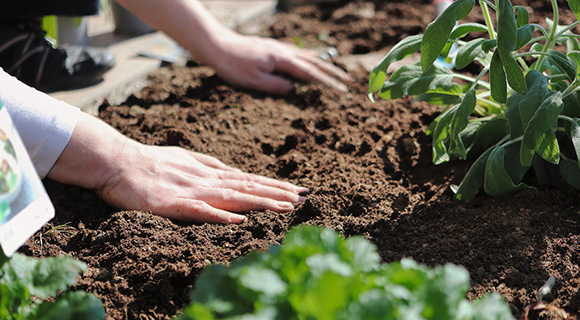
Struggling gardens, thinning lawns, and declining trees often create frustration for property owners who invest time and money without seeing lasting results. Yellowing leaves, weak root systems, and slow growth typically originate from one hidden issue beneath the surface. Understanding soil health and testing methods solves this pain point by revealing what plants need to thrive and how to correct imbalances before damage spreads.
greensandtreesroswellga.com gathered information about soil composition, nutrient balance, testing options, and professional guidance that supports strong grass, plants, shrubs, and trees. This article explains soil components, testing techniques, and practical steps you can take to protect landscapes and plant health.
Key Takeaways for Healthy Soil and Testing
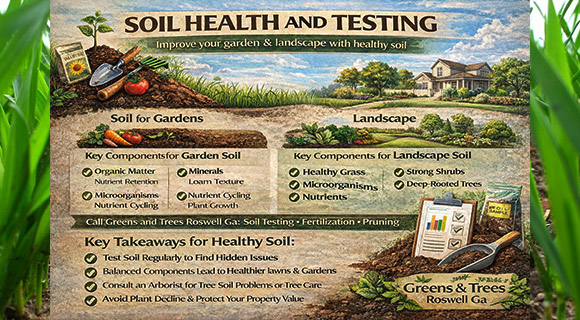
Healthy soil serves as a foundation for every successful landscape and garden. Balanced components support growth, resilience, and long-term vitality.
- Organic matter improves structure, nutrient retention, and moisture balance. Regular compost additions enhance soil life and plant performance.
- Mineral balance determines drainage and aeration. A loamy texture supports roots while preventing waterlogging or drought stress.
- Microorganisms play a critical role in nutrient cycling. Healthy soil biology improves disease resistance and root strength.
- Nutrient balance prevents deficiencies and excesses. Soil testing guides precise fertilization and reduces waste.
- Garden soil demands frequent monitoring due to intensive planting. Landscape soil requires stability and deep nutrient access for trees and shrubs.
- Testing reveals hidden issues before symptoms appear. Laboratory analysis provides clear guidance for corrective action.
- Professional support adds value. Arborists and landscape experts address complex soil and plant interactions effectively.
Ignoring soil health leads to declining plants, increased costs, and safety risks. Proactive care protects property value and ecosystem balance.
Core Components of Healthy Soil

Healthy soil functions as a living system rather than simple dirt. Each component plays a specific role in supporting plant growth, water management, and nutrient availability.
- Organic matter fuels soil life and improves structure. Decomposed leaves, compost, and plant material increase nutrient retention while improving moisture balance. Higher organic content supports root expansion and beneficial microbial activity.
- Minerals such as sand, silt, and clay determine texture. A balanced texture allows proper drainage while retaining moisture. Sandy soil drains quickly but lacks nutrients, while clay holds water yet restricts oxygen. Loam blends these qualities for ideal growing conditions.
- Soil microorganisms include bacteria, fungi, and beneficial microbes. These organisms break down organic material and convert nutrients, making them available to plants. Healthy microbial populations strengthen root systems and improve disease resistance.
- Nutrients such as nitrogen, phosphorus, potassium, calcium, magnesium, and micronutrients support plant development. Balanced nutrient levels prevent deficiency symptoms and reduce stress during seasonal changes.
Soil structure and aeration influence oxygen flow and root penetration. Compacted soil restricts roots and limits water infiltration. Proper structure allows roots to grow deeply and absorb resources efficiently.
Healthy Soil for Garden Spaces
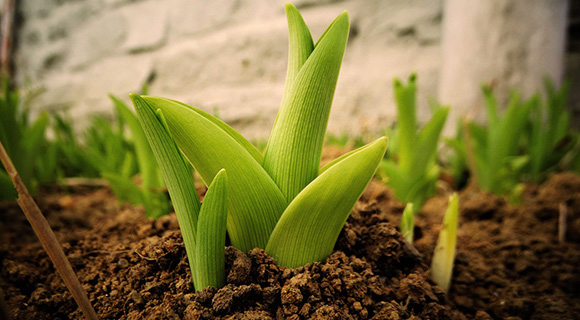
Garden soil requires consistent attention due to frequent planting cycles and nutrient demand. Vegetables, flowers, and herbs draw heavily from soil reserves.
Organic matter remains vital for gardens. Compost additions replenish nutrients and support moisture retention. Gardens benefit from a loose structure that allows root crops and flowering plants to expand freely.
Nutrient balance matters greatly in garden settings. Nitrogen supports leafy growth, phosphorus strengthens roots, and potassium improves flowering and fruit development. Soil testing guides fertilizer selection and application timing.
pH levels also influence garden success. Many vegetables prefer slightly acidic to neutral soil. Testing prevents nutrient lockout caused by improper pH.
Healthy Soil for Landscape Areas

Landscape soil supports lawns, shrubs, and trees over long periods. Stability and deep nutrient access remain priorities.
Grass thrives in soil with a balanced texture and steady nutrient availability. Compacted soil leads to thinning turf and weed invasion. Aeration improves oxygen flow and root strength.
Shrubs depend on consistent moisture and micronutrient availability. Organic matter around root zones improves resilience during drought or heat stress.
Trees require deep, well-structured soil. Healthy soil supports anchoring roots and nutrient uptake across large root zones. Poor soil conditions weaken trees and increase the risk of storm damage.
How to Test Your Soil

Soil testing provides clear insight into nutrient levels, pH, and organic content. Basic test kits available through garden centers offer quick results for pH and major nutrients.
For deeper analysis, laboratory testing delivers detailed recommendations. Property owners can send samples to cooperative extension services or university labs. Georgia residents often rely on the University of Georgia Extension soil testing services for comprehensive analysis.
Sampling requires consistency. Collect soil from multiple areas within a garden or landscape zone. Mix samples and follow lab instructions carefully to ensure accurate results.
Testing every one to three years supports informed decisions and prevents over-fertilization.
When to Call an Arborist
Trees showing decline, dieback, leaning, or pest activity require professional evaluation. Soil problems often contribute to tree stress and instability.
Call this arborist when roots appear exposed, soil remains compacted, or drainage issues persist. Arborists assess soil conditions alongside structural health and recommend corrective action.
Construction activity also warrants arborist involvement. Soil disturbance damages roots and alters drainage patterns. Early intervention prevents long-term decline.
Why Call Greens and Trees Roswell Ga 404-680-0041
Greens and Trees Roswell Ga together with New Image Tree Solutions, provides expert assessment across soil health, plant care, and tree management. Local knowledge supports tailored recommendations based on regional soil conditions and climate.
A professional evaluation identifies underlying issues rather than surface symptoms. This approach saves time, reduces unnecessary treatments, and protects landscape investment.
When to Fertilize, Prune, or Remove Plants
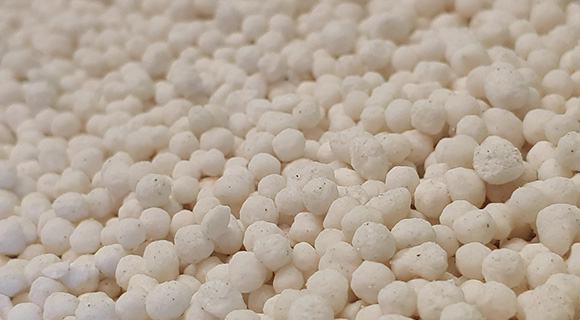
Fertilization is best after soil testing confirms nutrient needs. Applying fertilizer without testing may cause an imbalance and runoff.
Pruning supports plant structure and health when timed correctly. Dead, damaged, or diseased growth should be promptly removed.
Removal becomes necessary when plants decline beyond recovery or pose safety risks. Poor soil conditions often contribute to irreversible damage.
Professional Soil Testing
This article explored the fundamentals of soil health, testing methods, and practical steps that support thriving gardens and landscapes. Readers learned how soil components influence plant success and when professional guidance matters.
Applying this knowledge delivers strong results. Healthy soil supports vigorous growth, improved resilience, and reduced maintenance costs.
Neglecting soil health leads to ongoing frustration, plant loss, and expensive corrective measures. Understanding soil remains essential for lasting landscape success.
Sources:
gaswcc.georgia.gov/agricultural-conservation-programs/soil-health
mosh.umn.edu/principles
(404) 680-0041
 Greens and Trees Roswell Ga
Leave a comment