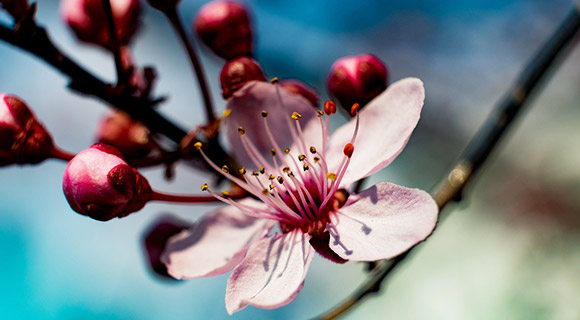
Tag: Understory Tree Roswell

  • What To Do After the First Freeze

    What To Do After the First Freeze

    Are you scrambling to protect your lawn, garden, and trees from freezing weather? Knowing how to properly care for grass, shrubs, and trees after the first freeze not only protects your investment but also sets your property up for a healthy recovery when spring returns. Knowing what steps to take can prevent permanent damage, ensure plant survival, and keep your property looking its best through the colder months.

    greensandtreesroswellga.com gathered information about the essential steps property owners can take to protect landscapes after the first freeze. This includes practical advice on grass and plant protection, when to call an arborist, and how strategic fertilization, pruning, or removal can ensure that your property remains safe and healthy all winter long. With this expert guidance, you can take proactive measures to preserve tree and plant health while preventing costly replacements once the cold weather ends.

    Frost vs. Freeze

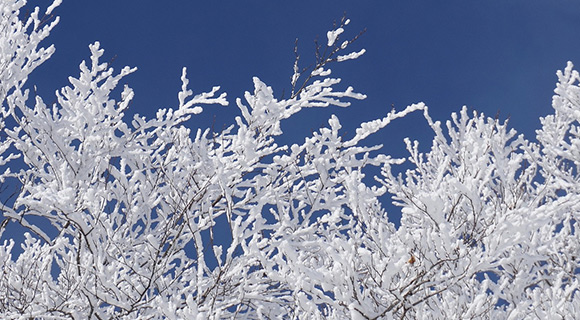
    frost and freeze protection frozen landscape

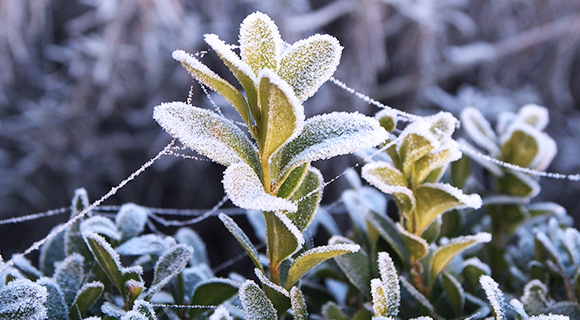
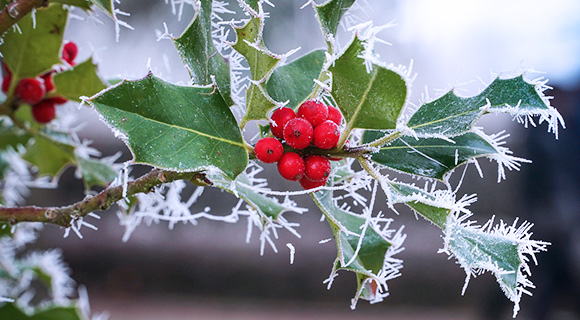
    Frost occurs when ice crystals form on the surface of foliage. This can happen when air temperatures are slightly above freezing, but the plant surface cools to the freezing point.  The National Weather Service issues frost advisories when temperatures are expected to be between 33 and 36°F.  Frosts generally cause minor damage but can cause severe damage to sensitive species, especially flowers and flower buds that have broken dormancy.

    frost and freeze protection frozen shrub

    A freeze is significantly more damaging than a frost. Freezes occur when the air and interior of the plant drop below 32°F.  During a freeze, plant cells freeze, damaging cellular tissue, turning brown or black, wilting, and/or collapsing.   

    There are two types of freeze events: advection and radiation. 

    • An advection freeze occurs when a dry, cold air mass settles into a region and it remains relatively windy.
    • A radiation freeze occurs during clear, calm nights.  During a radiation freeze, cold air remains at ground level while warm air “radiates” or escapes into the upper atmosphere.

    1. Assess the Impact of the Freeze

    After a freeze, inspect your property for visible signs of stress or damage. Frozen soil prevents roots from absorbing moisture, which can cause leaves to turn brown or brittle. Trees and shrubs may display cracked bark, and smaller plants may appear wilted or drooping. Resist the urge to prune or fertilize immediately – plants often need time to recover before their level of injury becomes visible.

    2. Protecting Landscape Grass

    frost and freeze protection landscape grass

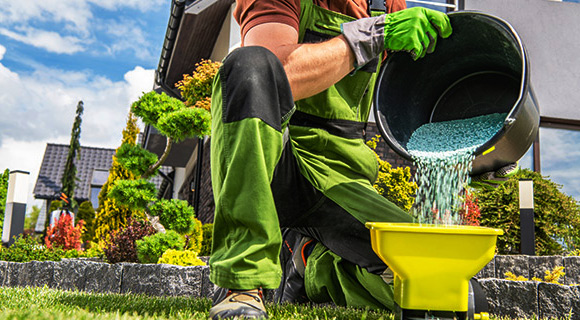
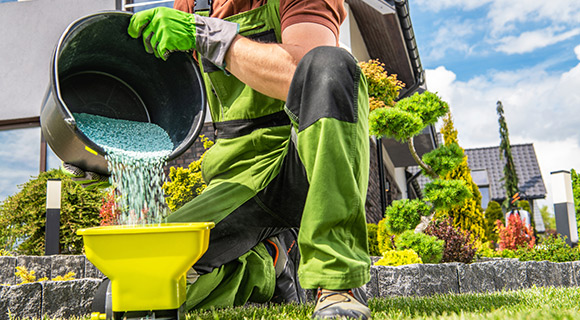
    Grass is especially vulnerable after the first freeze. Property owners should avoid walking or driving across frozen lawns, as the blades can easily snap, leaving dead patches behind. If you haven’t already applied a winterizing fertilizer before the freeze, consider doing so on a day when the ground has thawed slightly. This helps strengthen roots for the months ahead and prepares your lawn to fully recover when warmer temperatures return.

    3. Shrub and Plant Care

    frost and freeze protection foliage damage

    Many shrubs and flowering plants can survive moderate freezes if protected. Once the freeze has passed, gently water the soil during midday when temperatures are above freezing. Moist soil holds heat better than dry soil, which helps insulate roots. Adding mulch around the base of shrubs and plants can further regulate soil temperature and retain moisture. Avoid pruning right after the first freeze. Wait until late winter when plants are dormant to minimize stress and encourage healthy spring growth.

    4. Tree Protection and Maintenance

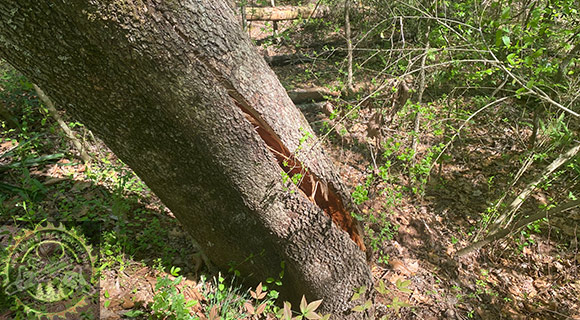
    Trees are often the most valuable part of a landscape, but also the most susceptible to damage from freezing temperatures. Cracked bark, frost splits, and brittle branches can pose safety hazards if left untreated. Tree wrapping or mulching around the base can help retain root warmth. Inspect limbs for cracking or splitting and mark any that appear unstable. This early detection can prevent property damage when ice or heavy winds follow.

    5. When to Call an Arborist

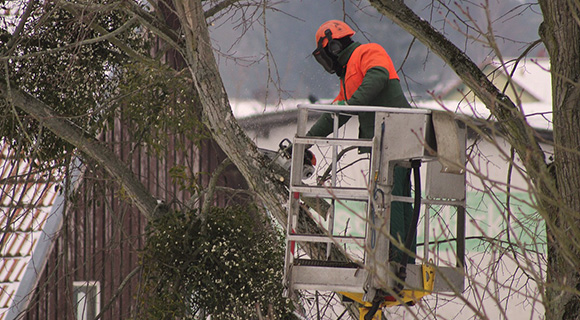
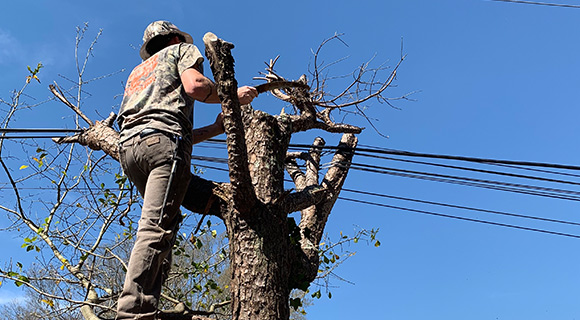
    An arborist should be called if you notice significant cracking, leaning trees, or large broken branches after a freeze. Certified arborists have the training and tools to assess structural stability and determine whether a tree can be saved or needs to be removed. They can also provide targeted pruning, preventing weakened branches from becoming hazards in winter storms. Arborists often use specialized equipment (cranes and aerial lifts) to safely remove dangerous limbs or trees that may threaten homes and utility lines.

    Why Call Greens and Trees Roswell Ga

    frost and freeze protection

    Greens and Trees Roswell Ga together with New Image Tree Solutions, is a trusted name in tree and landscape care, offering arborist-led services designed to protect both tree health and property safety. Their certified team specializes in post-freeze care, storm-damage prevention, and proactive maintenance that keeps your landscape thriving year-round. From professional pruning and fertilization to removal and stump grinding, the company offers free assessments and customized recommendations for every property. Homeowners and business owners alike rely on Greens and Trees Roswell Ga for reliable, knowledgeable care that combines safety, science, and sustainability.

    When to Prune, Fertilize, or Remove

    Pruning after the first freeze should occur once trees and plants are dormant – typically late winter. This timing minimizes sap loss and stress while promoting vigorous spring growth. Fertilizing during late winter or early spring supports recovery and new growth. Removal becomes necessary if trees are structurally compromised or if disease has spread beyond recovery. An arborist can help determine when removal is the safest and most cost-effective option.

    Key Considerations for The First Freeze and Winter

    frost and freeze protection information

    Successfully protecting your landscape after the first freeze requires understanding how cold temperatures affect plant structure and soil composition. During freezes, water inside plant cells expands, causing tissue damage that may not be immediately visible. To minimize long-term effects, property owners should maintain consistent soil moisture, avoid compacting frozen soil, and continue monitoring plant health throughout winter.

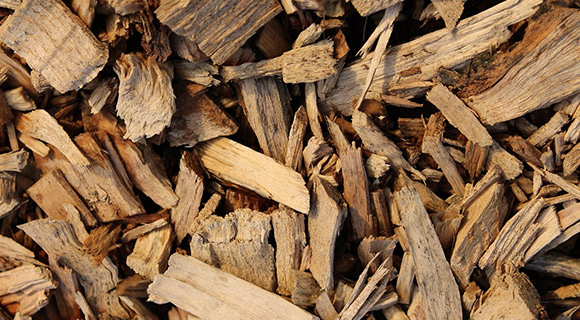
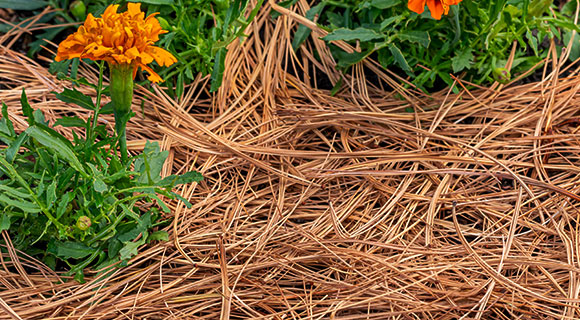
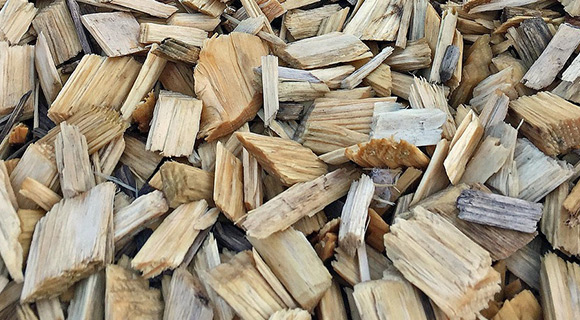
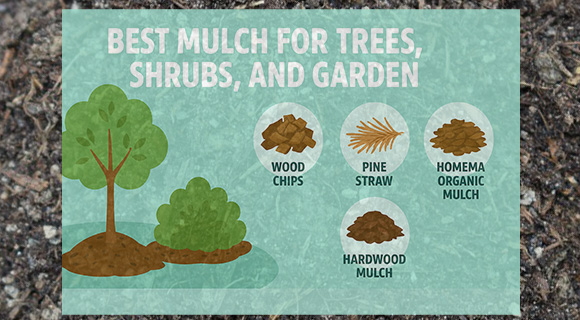
    1. Mulching remains one of the simplest and most effective steps you can take. A layer of mulch around trees and shrubs provides insulation against rapid temperature changes and helps retain soil moisture. Choose organic mulch such as wood chips or pine straw for optimal results. Additionally, wrapping young or thin-barked trees with burlap or tree guards can prevent frost cracks and sunscald, both common winter issues in Georgia’s fluctuating climate.
    2. Avoid fertilizing immediately after a freeze, as plants are not actively growing during cold months and cannot absorb nutrients efficiently. Premature fertilization can force growth that may later die back in freezing temperatures. Instead, plan fertilization for early spring once the risk of frost has passed.
    3. Tree and shrub pruning should focus on removing dead or broken branches that could cause damage during high winds or snow accumulation. Hiring an arborist for this work ensures precise cuts and balanced shaping, preserving both safety and aesthetics. For properties with mature trees near buildings or power lines, arborist-led inspections should be performed before major winter storms.
    4. Lastly, don’t overlook irrigation systems. Frozen pipes or sprinkler heads can lead to costly repairs. Ensure all lines are drained and insulated. By following these precautions, you can safeguard your landscape, reduce hazards, and maintain healthy growth well beyond winter.
    frost and freeze protection bush damage

    Winter Landscape Precautions

    In this article, you discovered how to assess freeze damage, protect grass and shrubs, maintain tree health, and determine when professional arborist services are necessary. You also learned practical strategies for pruning, fertilizing, and removing trees to protect your property from winter weather challenges.

    By taking these proactive measures, property owners can enjoy a landscape that not only survives winter but thrives in spring. Healthier grass, stronger roots, and safer trees all contribute to a more beautiful and valuable property.

    Failing to act after the first freeze can lead to long-term damage. Neglected trees may become unstable, plants can die from root exposure, and lawns may struggle to recover, requiring costly restoration. Protecting your property now ensures safety, beauty, and vitality through every season.

    Sources:
    fieldreport.caes.uga.edu/news/protect-plants-from-blast-of-cold-temperatures
    extension.umn.edu/planting-and-growing-guides/protecting-trees-and-shrubs-winter

    Greens and Trees Roswell Ga

     RoswellGA 
    (404) 680-0041
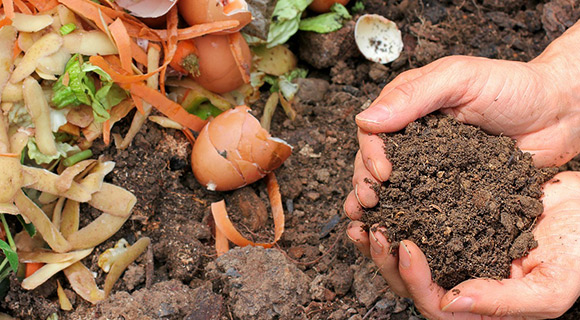
  • Prime Time to Fertilize Your Roswell, Georgia, Landscape

    Prime Time to Fertilize Your Roswell, Georgia, Landscape

    Are you dreaming about a lush, green lawn and thriving landscape, but struggling to find the right time or method to fertilize? Knowing when and how to fertilize ensures that nutrients reach roots when plants need them most (creating a balanced, healthy environment that supports vibrant color and sustained growth throughout the year).

    greensandtreesroswellga.com gathered information about fertilizer types, application methods, and seasonal timing specific to North Georgia’s soil and weather conditions. This guide explains the optimal time to fertilize lawns, shrubs, plants, and trees while outlining how to maximize results safely. You’ll also learn when to call an arborist, why professional care makes a difference, and how proper fertilization, pruning, and removal can protect and beautify your outdoor space year-round.

    Fertilizer Types

    granular fertilizer lawn shrubs and trees best time to fertilize

    Fertilizer comes in several forms, each designed to deliver essential nutrients like nitrogen (N), phosphorus (P), and potassium (K)—the building blocks of plant health. Understanding the differences between fertilizer types enables property owners to select the right product for their specific plants and soil conditions.

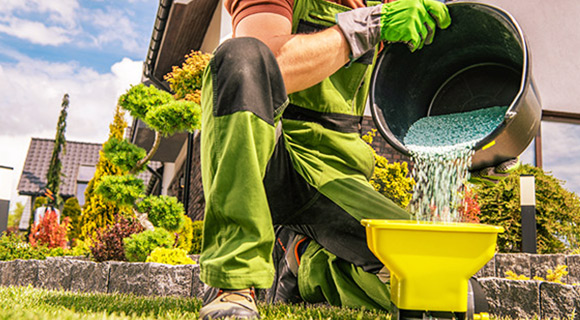
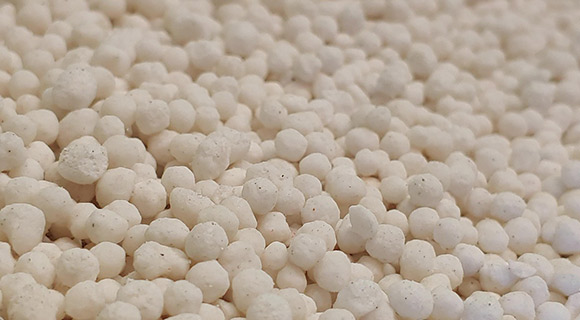
    • Granular Fertilizer – Granular fertilizers are dry pellets that provide a slow, consistent nutrient release. They’re ideal for lawns, shrubs, and trees that need steady nourishment over time. Granular types are easy to apply and work well when combined with regular watering.
    • Liquid Fertilizer – Liquid fertilizers deliver nutrients quickly, making them ideal for giving plants an immediate boost during active growth periods. They are often used for flowering plants and garden beds that require rapid nutrient uptake.
    • Organic Fertilizer – Derived from compost, manure, or bone meal, organic fertilizers enrich the soil naturally and improve its structure. They promote microbial activity and long-term health without harsh chemicals (though they tend to act more slowly than synthetic types).
    • Synthetic Fertilizer – Manufactured fertilizers provide precise nutrient ratios and quick results. While effective, they should be used carefully to avoid over-fertilizing, which can burn roots or contaminate nearby waterways.
    • Slow-Release Fertilizer – Designed for convenience, slow-release fertilizers deliver nutrients gradually over weeks or months, reducing the need for frequent applications. These are often used for trees, shrubs, and perennial landscapes.

    Soil and pH Testing

    soil and ph test lawn shrubs and trees best time to fertilize

    A soil and pH test is an essential first step before applying any fertilizer to your Roswell, Georgia, landscape. Without knowing your soil’s nutrient balance and acidity level, it’s impossible to choose the right fertilizer or apply it at the correct rate. Soil that’s too acidic or alkaline can block nutrient absorption, causing yellowing leaves, stunted growth, and weak root systems, even when you’ve properly fertilized. A soil test identifies levels of key nutrients such as nitrogen, phosphorus, and potassium while measuring pH to determine if your soil requires lime or sulfur adjustments.

    Property owners can easily have a soil and pH test performed through their local University of Georgia Cooperative Extension office. The process involves collecting small soil samples from several areas in your yard, mixing them together, and submitting the composite sample for laboratory analysis. Results typically include a detailed report with recommendations for fertilizer types, quantity, and application frequency. This ensures that your lawn, trees, shrubs, and garden plants receive the exact nutrients they need for strong, healthy growth. Investing in a soil test before fertilizing saves time, money, and effort while promoting a vibrant and resilient landscape throughout Roswell’s growing seasons.

    Best Time to Fertilize in Roswell, Georgia

    lawn shrubs and trees when to fertilize

    Roswell’s growing season stretches from early spring through late fall. However, timing fertilization around plant cycles and temperature changes is crucial. Applying fertilizer too early or too late can waste money, stress plants, and even harm the soil. Roswell’s warm climate and clay-heavy soil can make timing especially tricky, leaving property owners wondering why their efforts produce uneven growth, yellowing leaves, or patchy grass. Here’s how to schedule applications by landscape type:

    Grass and Lawns

    For warm-season grasses common in Roswell, such as Bermuda, Zoysia, and Centipede, the first fertilization should be late April or early May (once soil temperatures reach about 65°F). A second application in midsummer supports vigorous growth, and a final, lighter feeding in early September prepares the lawn for cooler weather. Avoid fertilizing dormant lawns during winter – nutrients won’t absorb effectively and may wash away with rain.

    Shrubs and Plants

    Most shrubs and ornamental plants benefit from fertilization in early spring before new growth appears. For flowering shrubs like azaleas and hydrangeas, a second application after blooming promotes root strength and future blossoms. Fall feeding should be minimal (plants begin slowing their nutrient uptake as temperatures drop).

    Trees

    Established trees often require less frequent fertilization, but younger or stressed trees may benefit from feeding in early spring or late fall. Apply fertilizer evenly under the canopy, extending to the dripline. Deep-root feeding by an arborist helps deliver nutrients to where roots absorb them.

    Garden Beds and Seasonal Plants

    Annuals and perennials thrive with consistent nutrients throughout their growing season. Begin fertilizing when new growth appears in spring and continue every 4 to 6 weeks until late summer. Organic options for garden beds keep soil balanced and healthy.

    When to Call an Arborist

    If trees show yellowing leaves, weak growth, or dead branches despite regular care, it may be time to call an arborist. A certified arborist can perform soil tests, diagnose nutrient deficiencies, and determine whether fertilization, pruning, or disease treatment is needed. Arborists are also essential when roots appear to be compacted or when construction near trees alters the soil.

    Professional assessments ensure your trees receive the correct treatment and prevent long-term damage from improper care.

    Why Call Greens and Trees Roswell Ga 404-680-0041

    Greens and Trees Roswell, Ga (together with New Image Tree Solutions) offers expert landscape care designed to enhance plant vitality and property aesthetics. Their team understands local soil composition, weather patterns, and nutrient requirements unique to Roswell. Whether you need lawn fertilization, deep-root feeding, or landscape management, their certified specialists ensure optimal results using safe, sustainable methods.

    roswell georgia lawn shrubs and trees best time to fertilize

    The company also provides tree pruning, removal, and restoration services, ensuring that every aspect of your property remains healthy and visually appealing. Regular maintenance through Greens and Trees Roswell Ga and New Image Tree Solutions extends plant life, prevents pest infestations, and enhances curb appeal.

    When to Fertilize, Prune, or Remove Trees and Shrubs

    • Fertilize – Apply nutrients during early spring growth or late fall dormancy, depending on species and soil condition. Avoid summer fertilization for cool-season plants to prevent stress.
    • Prune – Late winter through early spring is best for pruning dormant trees and shrubs. Remove dead or crossing branches to encourage new, healthy growth.
    • Remove – If trees display hollow trunks, extensive rot, or unstable roots, removal may be necessary for safety and landscape health.

    Regular observation and professional maintenance can prevent issues from escalating into costly damage.

    Key Considerations for Fertilizing Your Roswell, Georgia, Landscape

    natural compost lawn shrubs and trees best time to fertilize

    Successful fertilization depends on understanding soil health, plant species, and environmental conditions. Before applying any fertilizer, always begin with a soil test to measure nutrient levels and pH balance. Many Roswell lawns have clay-heavy soil that retains water and nutrients differently from sandy soil. Adjusting the fertilizer and quantity can make a significant difference.

    1. Have a soil and pH test conducted. This ensures that your lawn, trees, shrubs, and garden plants receive the exact nutrients they need for strong, healthy growth.
    2. Proper application matters just as much as timing. Distribute fertilizer evenly across lawns or under tree canopies, avoiding contact with trunks or stems. Over-application can lead to salt buildup, burning roots, and runoff that harms nearby waterways. Using a spreader for lawns and hand-application for garden beds helps achieve even coverage.
    3. Watering immediately after fertilization ensures nutrients penetrate the soil and reach roots. Deep watering promotes strong root systems, especially during dry Georgia summers. However, avoid fertilizing before heavy rainfall to prevent nutrient washout.
    4. Temperature also influences fertilizer effectiveness. Applying fertilizer during extremely hot or cold weather can stress plants and limit absorption. Spring and early fall provide the most favorable conditions for nutrient uptake.
    5. Finally, consider environmental sustainability. Choosing organic or slow-release options reduces runoff and supports soil biodiversity. Responsible fertilization protects not only your landscape but also local waterways and wildlife habitats.

    By paying attention to soil health, timing, and application techniques, Roswell homeowners can maintain lush, vibrant landscapes that thrive throughout changing seasons.

    When To Fertilize Your Landscape

    In this article, you discovered the best times and methods for fertilizing your Roswell, Georgia, landscape, the types of fertilizers available, and when to call a professional arborist for help maintaining lawns, trees, and shrubs.

    By following these guidelines, you’ll promote deep-root growth, improved color, and lasting plant health. Proper fertilization at the correct times ensures your landscape remains strong, beautiful, and resilient all year.

    Neglecting to fertilize or applying nutrients at the wrong time can lead to weak roots, pest infestations, and wasted resources. Without proper care, even the most carefully designed landscape can lose its vibrancy and structure.

    Sources:
    fieldreport.caes.uga.edu/publications/C1179/fertilizing-the-home-garden
    news.gatech.edu/features/2023/04/tech-lawn-and-garden-basic-lawn-care-tips

    Greens and Trees Roswell Ga

     RoswellGA 
    (404) 680-0041
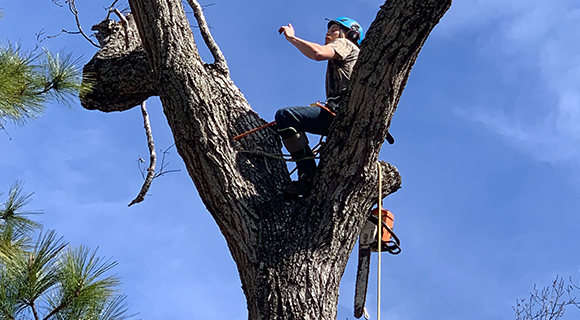
  • Tree Services Explained

    Tree Services Explained

    Are you worried about a storm uprooting a massive oak or a tree crashing through your home? Understanding which tree services ensure your physical and property safety will help you make informed decisions about the trees on and around your property.

    greensandtreesroswellga.com gathered information about essential tree care practices and why having New Image Tree Solutions’ arborist-led teams manage these tasks is so crucial. Their expertise extends beyond removing dangerous limbs – it focuses on creating sustainable solutions that promote long-term tree health while reducing safety risks for property owners.

    A Definition of Tree Services

    roswell emergency tree services

    Property owners often realize too late that regular tree maintenance is not optional. Trees provide shade, beauty, and increased property value, but when neglected, they can cause significant damage to homes, vehicles, or even endanger lives. Consider the following tree services:

    1. Tree Removal

    roswell tree services removal

    Tree removal is necessary when a tree is dead, diseased, or structurally compromised. Certified arborists assess stability, proximity to structures, and the surrounding landscape before determining safe removal methods. This minimizes potential hazards while preserving nearby vegetation.

    2. Tree Pruning and Trimming

    roswell tree services pruning and trimming

    Pruning enhances both health and appearance. Removing weak, dead, or overgrown branches stimulates new growth and reduces falling limb risks during storms. Structural pruning also ensures that trees grow in a balanced way, reducing strain on the main trunk.

    3. Crown Thinning

    roswell tree services crown thinning

    Crown thinning involves selectively removing branches throughout a tree’s crown to reduce its density. The goal is to allow more light and air to move through the canopy without altering the overall shape or size. By opening up space between branches, crown thinning improves the air circulation, which helps reduce disease risks caused by damp, stagnant conditions.

    4. Crown Lowering

    roswell tree services crown lowering

    Crown lowering reduces the crown height or spread by strategically cutting branches back. This service is commonly performed when a tree has grown too close to overhead structures, like power lines or rooftops, or when its size poses a safety concern. Unlike topping, which can damage trees by leaving stubs and weak regrowth, crown lowering uses careful pruning cuts to maintain structural integrity.

    5. Crown Raising

    roswell tree services crown raising

    Crown raising focuses on removing lower branches to increase vertical clearance beneath the tree. This service is often required to create safe pathways for pedestrians, vehicles, or lawn equipment. Crown raising also improves visibility, making streets, driveways, and entryways safer. By lifting the canopy, more light reaches the ground, which encourages healthy grass and smaller plant growth below.

    6. Stump Grinding

    roswell tree services stump grinding

    After a tree is removed, stumps may create tripping hazards, attract pests, or regrow new shoots. Stump grinding eliminates these issues by reducing the stump below ground level, allowing smooth replanting or landscaping.

    7. Emergency Tree Services

    roswell tree services interfering with powerlines

    Storms in Georgia often bring heavy winds, lightning, and intense rainfall. Fallen trees and broken limbs require immediate professional attention. Greens and Trees Roswell, Ga, together with New Image Tree Solutions, provides 24/7 emergency tree services to restore safety quickly.

    8. Disease and Pest Management

    roswell tree services disease and pest control

    Arborist-led teams identify common threats, like root rot, powdery mildew, or insect infestations. Early detection prevents widespread damage and extends the tree’s life span. Safe treatments preserve natural ecosystems while protecting tree health.

    Arborist-Led Teams Protect Tree Health and Property Safety

    Arborists are trained professionals specializing in tree biology, structural integrity, and environmental care. With their leadership, teams focus on:

    • Evaluating risks before performing any cutting or removal.
    • Using proper climbing and rigging techniques to avoid damage to property.
    • Recommending treatments or pruning strategies that extend a tree’s life rather than defaulting to removal.
    • Maintaining compliance with local regulations and safety standards.

    By relying on an arborist’s knowledge, homeowners receive solutions tailored to tree health while reducing liability risks associated with improper tree care. Read more about what arborists do by visiting newimagetreesolutions.com/blog/arborist-a-complete-definition

    How Regular Tree Maintenance Prevents Toppling in Severe Weather

    roswell tree services maintenance

    Georgia storms bring strong winds that can snap branches or topple trees with weak root systems. Preventive maintenance plays a crucial role in minimizing this risk:

    • Crown thinning reduces wind resistance, making it harder for storms to uproot trees.
    • Root system inspections help identify soil compaction or rot that could compromise stability.
    • Weight distribution pruning prevents uneven growth that might cause a tree to lean.
    • Removal of hazardous branches eliminates weak points that storms could exploit.
    • Routine tree care ensures trees not only survive storms but also remain vibrant landscape assets.

    Why Hire New Image Tree Solutions – 404-680-0041

    Choosing New Image Tree Solutions means more than hiring a crew with chainsaws. It means working with certified professionals who value safety, sustainability, and customer service. Their team provides:

    • Customized care plans for each property.
    • State-of-the-art equipment that minimizes damage to surrounding areas.
    • Expertise in handling both residential and commercial properties.
    • Long-term solutions aimed at balancing beauty, safety, and health.

    For homeowners seeking peace of mind, this team delivers comprehensive support that protects investments and enhances property value.

    Key Considerations for Tree Service Activities

    roswell tree services

    Tree service activities require thoughtful planning and professional execution. Several factors determine how and when to schedule services, as well as what to expect during the process.

    Safety First

    Tree services involve significant risks. From falling branches to operating heavy machinery, safety remains the top priority. Professional crews use protective gear, rigging systems, and strategic cutting methods to safeguard people and property.

    Timing of Services

    The time of year plays a crucial role in maintenance. Pruning during dormant months reduces stress on trees, while inspections during spring or after major storms provide opportunities to detect emerging issues early.

    Long-Term Health

    The objective of arborist-led care is not just immediate hazard removal but also supporting long-term tree vitality. This includes soil testing, pest management, and recommending watering or fertilization routines.

    Property Impact

    Consideration must be given to how tree services affect surrounding landscapes. Responsible providers ensure minimal disturbance, using ground protection mats and careful planning to preserve lawns, gardens, and hardscapes.

    Cost vs. Value

    Tree service costs vary based on complexity, equipment needs, and property layout. Homeowners should weigh immediate costs against the value of preventing storm damage, extending tree life, and maintaining property aesthetics.

    By understanding these considerations, property owners can approach tree services as an investment in safety and sustainability rather than just a short-term fix.

    Tree Care Services in Roswell, Georgia

    In this article, you discovered the services offered by New Image Tree Solutions, the importance of arborist-led teams, and how preventive maintenance keeps trees strong during storms. You also learned why hiring trained professionals provides unmatched value for protecting both property and the environment.

    By scheduling regular maintenance and relying on expert crews, you will have healthier trees, safer properties, and peace of mind knowing your landscape is properly cared for.

    If ignored, the outcome can be devastating – costly property damage, hazardous conditions, and weakened trees that become liabilities instead of assets. Taking action today ensures your trees remain strong, beautiful, and safe.

    Sources:
    pressbooks.lib.vt.edu/treesteward/chapter/9/
    arborday.org/tree-care-maintenance

    Greens and Trees Roswell Ga

     RoswellGA 
    (404) 680-0041
  • Arborist Services Roswell Georgia

    Arborist Services Roswell Georgia

    Diseased, overgrown, dying, or dead trees can threaten the safety of your family and home. Knowing what professional arborist services can do for your landscape can help you prevent costly damage and preserve your property’s natural beauty.

    arborist roswell georgia

    New Image Tree Solutions gathered information about ISA-certified arborist practices, industry standards, and proven care methods that extend tree life, promote safety, and prevent weather-related disasters. New Image’s arborist-led teams provide services that combine science-based expertise with practical fieldwork – ensuring that every tree is managed with precision and care.

    What Arborists Do

    arborist tree pruning roswell georgia

    Protect trees and safeguard properties – Arborists are tree care specialists trained in diagnosing, treating, and maintaining trees and shrubs. Their work goes beyond trimming branches – it involves understanding soil health, root systems, pest management, and storm safety planning. Certified arborists bring expertise in:

    • Tree Health Assessments – Identifying signs of disease, nutrient deficiencies, or structural weaknesses.
    • Pruning and Shaping – Removing dead or hazardous limbs while improving tree structure.
    • Tree Removal – Safely removing trees that pose risks to structures or property.
    • Emergency Services – Providing immediate response after storms to clear fallen trees or prevent further hazards.
    • Soil and Root Care – Managing aeration, mulching, and root protection to improve long-term growth.
    • Pest and Disease Control – Detecting infestations early and applying targeted treatments.

    Read more about ISA Certified Arborist activities and responsibilities at newimagetreesolutions.com/blog/arborist-a-complete-definition

    Arborist-Led Teams Protect Tree Health and Property Safety

    arborist guided tree services roswell georgia

    When tree work is done by untrained crews, risks increase dramatically. Incorrect cuts can weaken a tree, and improper removal methods may cause property damage. Arborist-led teams, such as those at New Image Tree Solutions, adhere to strict safety standards and employ science-driven practices.

    • Tree Stability – Professional pruning prevents branches from becoming overextended and hazardous.
    • Disease Prevention – Early detection of pathogens reduces the spread and saves more trees.
    • Property Protection – Properly removed trees and stumps prevent foundation damage, driveway cracks, or roof impacts.
    • Safety Protocols – Arborists ensure safe use of equipment and protect nearby utilities and buildings during service.

    This structured approach ensures healthier landscapes and greater peace of mind for homeowners.

    How Regular Tree and Landscape Maintenance Prevents Storm Damage

    arborist tree maintenance roswell georgia

    Roswell, Georgia, often experiences heavy rains, summer thunderstorms, and seasonal winds that can uproot or topple poorly maintained trees. Proactive tree care reduces these risks:

    • Crown Thinning – Reduces wind resistance, lowering chances of uprooting.
    • Structural Pruning – Strengthens branch connections, limiting storm breakage.
    • Root Zone Management – Protects root systems from erosion and soil compaction.
    • Regular Health Monitoring – Identifies weak trees before storms exploit them.

    Note: Consistent landscape maintenance means fewer emergencies, fewer downed power lines, and less expensive damage repair after severe weather.

    Why Hire New Image Tree Solutions for Your Tree Care Needs

    arborist tree removal roswell georgia

    Hiring the right team for arborist services is crucial. New Image Tree Solutions brings local experience, certified expertise, and a commitment to sustainable practices.

    • Certified Arborists – Their team includes professionals trained in advanced tree biology and care.
    • Custom Solutions – Our services are tailored to meet the individual needs of each property, rather than adopting a one-size-fits-all approach.
    • Safety First – Rigorous adherence to industry safety protocols protects homes, workers, and landscapes.
    • Emergency Response – Rapid deployment for storm-related cleanups.
    • Community Commitment – As a Roswell-based company, they understand the climate, tree species, and soil conditions specific to Georgia landscapes.

    For homeowners seeking lasting value, hiring New Image Tree Solutions ensures reliable protection and long-term beauty for their trees.

    Key Considerations for Arborist Services in Roswell, Ga

    arborist emergency tree services roswell georgia

    Professional tree care involves more than occasional pruning – it requires ongoing planning, investment, and careful evaluation of your property’s landscape.

    Safety as Priority – Trees with hidden decay, split trunks, or weak root systems can fall without warning. Choosing arborist services ensures certified experts inspect these risks before they turn into emergencies.

    Long-Term Cost Savings – Preventive pruning and disease management cost far less than emergency removal after a storm. Healthy trees also increase property value and reduce future replacement costs.

    Environmental Stewardship – Arborist-led teams employ safety and preservation standards, removing only what is necessary to safeguard tree health. This includes protecting native species, encouraging healthy regrowth, and reducing unnecessary removals.

    Tailored Care Plans – No two landscapes are the same. A Roswell homeowner may have a yard with oak, pine, and ornamental trees – each requires a specific approach. Arborists create customized plans that address these differences with precision.

    Value of Certified Expertise – ISA certification reflects years of training, adherence to standards, and commitment to ethical practices. Hiring uncertified crews risks improper cuts, unnecessary removals, and even personal injury.

    Emergency Preparedness – Roswell’s storms can strike at any time. Arborists prepare homeowners by identifying at-risk trees, recommending preventive measures, and ensuring response crews are ready when needed.

    By weighing these considerations, homeowners understand that professional arborist care is not a luxury – it is an essential part of property protection and landscape health.

    ISA Certified Arborists in Roswell, Georgia

    In this article, you discovered how arborist services in Roswell, Georgia, address tree health, property safety, and weather resilience. Pruning and disease control, storm preparation, and professional care make a measurable difference in protecting landscapes.

    With proper maintenance from certified arborists, trees remain stable, beautiful, and far less likely to cause costly emergencies. The result is a safer property, a healthier landscape, and greater peace of mind for homeowners.

    Ignoring tree care can result in downed trees, property damage, and costly emergency removals (after severe weather). Choosing not to invest in professional services risks financial stability and personal safety.

    Sources:
    treesaregood.org
    arborday.org/tree-care-maintenance
    pressbooks.lib.vt.edu/treesteward/chapter/9/

    New Image Tree Solutions

     RoswellGA 
    (404) 680-0041
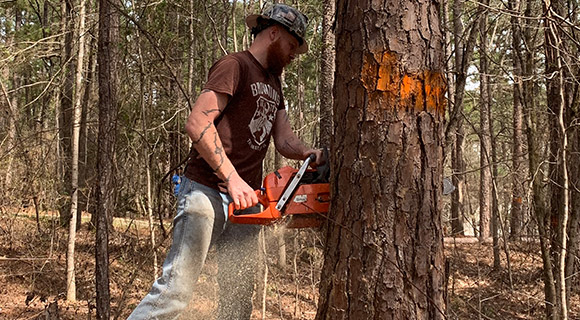
    To see the original version of this article, visit https://www.newimagetreesolutions.com/blog/arborist-services-roswell-georgia

  • Three Pine Tree Species for Roswell, Georgia, Yards

    Three Pine Tree Species for Roswell, Georgia, Yards

    Want to enhance your yard with year-round greenery and natural shade? Choosing the right pine tree species for Roswell, Georgia, can transform your landscape with height, texture, and lasting beauty, while boosting property value and curb appeal.

    greensandtreesroswellga.com gathered details on soil conditions, spacing, watering, and pruning for three resilient pine tree species well-suited to thrive in the Roswell, Georgia, region.

    Roswell, Georgia, Pine Trees

    roswell georgia pine tree species information

    Roswell homeowners often face a challenge when selecting trees for their landscapes, notably pines. Planting the wrong pine species can lead to excessive maintenance, disease problems, pest infestations, or even hazardous falling branches during storms. This not only costs time and money but can also damage property and reduce curb appeal. Identifying which pine species thrive in Roswell’s USDA Hardiness Zone 7b helps property owners avoid these issues while enhancing the beauty and value of their yards. Consider the following tree species:

    1. Loblolly Pine (Pinus taeda)

    roswell georgia pinus taeda pine tree species

    Loblolly pine is one of Georgia’s most common and fastest-growing pines. Known for its tall, straight trunk and medium to dark green needles, it makes an excellent choice for creating privacy screens or windbreaks.

    • Height: 60–90 feet
    • Crown Width: 25–35 feet
    • Advantages: Rapid growth, strong adaptability to various soil types, and provides excellent shade and habitat for birds.
    • Disadvantages: Vulnerable to ice damage during winter storms; large size may be unsuitable for small yards.
    • Pest and Disease Threats: Southern pine beetle, fusiform rust, needle blight.
    • Expected Lifespan: 70–100 years under proper conditions.
    • Maintenance Requirements: Regular inspections for pest detection and pruning of lower limbs to improve airflow.

    2. Eastern White Pine (Pinus strobus)

    roswell georgia pinus strobus pine tree species

    Eastern white pine is a graceful tree with soft, bluish-green needles and an airy, open crown. It grows relatively fast and is valued for its ornamental appeal in residential landscapes.

    • Height: 50–80 feet
    • Crown Width: 20–40 feet
    • Advantages: Elegant appearance, relatively low maintenance, provides year-round greenery.
    • Disadvantages: Susceptible to wind damage; may struggle in extremely compacted or clay-heavy soils.
    • Pest and Disease Threats: White pine blister rust, pine sawfly, and weevil infestations.
    • Expected Lifespan: 100–200 years in optimal conditions.
    • Maintenance Requirements: Occasional structural pruning, regular mulching to conserve moisture, and pest inspections in spring and summer.

    3. Longleaf Pine (Pinus palustris)

    roswell georgia pinus palustris pine tree species

    Longleaf pine is a historically significant tree in Georgia, valued for its resilience and distinctive long needles. It has a slow start but matures into a sturdy, long-lived tree.

    • Height: 60–110 feet
    • Crown Width: 30–40 feet
    • Advantages: Extremely durable, drought-tolerant once established, resistant to many pests and diseases.
    • Disadvantages: Requires patience due to slow early growth; may not be suitable for homeowners seeking quick results.
    • Pest and Disease Threats: Rarely affected by severe infestations; occasional bark beetle issues are possible.
    • Expected Lifespan: 150–300 years.
    • Maintenance Requirements: Minimal once established; periodic removal of dead lower branches recommended for safety.

    When to Call an Arborist

    roswell georgia arborist for pine tree species

    An arborist should be called when:

    • A pine tree shows sudden yellowing or browning needles
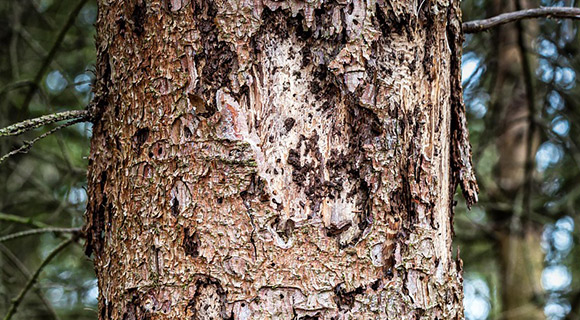
    • There is visible pest activity, such as boring holes or sawdust
    • Storm damage causes leaning or broken limbs
    • Tree roots interfere with foundations, driveways, or sidewalks
    • Large branches threaten power lines or structures
    • Prompt professional assessment can prevent safety hazards and preserve tree health.

    Why Call New Image Tree Solutions 404-680-0041

    New Image Tree Solutions offers expert tree care tailored to Roswell’s unique environmental conditions. The company provides:

    • Certified arborists with decades of experience
    • Comprehensive tree health assessments
    • Pruning, trimming, and safe removals
    • Emergency storm damage response
    • Eco-friendly disposal and recycling practices

    Their team understands the growth patterns and maintenance needs of Georgia’s native and ornamental pines, ensuring every tree receives the right care at the right time.

    When to Prune or Remove Trees, Shrubs, and Plants for Safety

    • Prune: Late winter to early spring before new growth begins; summer pruning may be needed for hazardous limbs.
    • Remove: Immediately if a tree is dead, structurally unsound, or poses an imminent threat to property or safety.
    • Shrubs and Plants: Trim after flowering or as needed to prevent overgrowth that obstructs walkways or visibility.

    Pruning enhances air circulation, reduces disease risks, and improves a tree’s appearance, while timely removal prevents damage during severe weather.

    Key Considerations for Hardy Pine Trees in Roswell, Georgia

    roswell georgia hardy pine tree species

    Pine trees can give year-round greenery, a wildlife habitat, and value. However, ensuring long-term health and safety requires attention to species selection, placement, and care.

    1. Climate and Soil Compatibility

    Roswell falls within USDA Hardiness Zone 7b, where winters are mild and summers are hot and humid. Choosing pines adapted to this climate, like loblolly, eastern white, and longleaf, ensures stronger growth. For overly compacted clay, Soil pH and drainage must also be considered to avoid stressing root systems.

    2. Space Requirements

    Pines need adequate spacing to allow air movement between branches, which helps reduce fungal issues. Crowding trees too closely increases competition for nutrients and sunlight, leading to weakened growth.

    3. Pest and Disease Prevention

    Regular inspections detect early signs of pine beetles, fungal infections, or needle diseases. Early intervention reduces tree loss and prevents pests from spreading to healthy trees.

    4. Storm Preparedness

    Roswell experiences seasonal thunderstorms, which can cause heavy branch drop. Proactive pruning reduces the weight of overextended limbs and lowers the risk of storm-related damage.

    5. Lifespan Planning

    Different pine species have varying lifespans. Homeowners should plan for the replacement of shorter-lived pines while preserving heritage species, like longleaf pines, for future generations.

    6. Professional Maintenance

    Working with a certified arborist ensures proper pruning techniques, problem diagnosis, and safe tree removal (when necessary). Partnering with a trusted local provider, like New Image Tree Solutions, gives homeowners peace of mind.

    Pine Trees for Roswell, Georgia

    In this article, you discovered important soil, spacing, watering, and pruning details for three resilient pine tree species suited to Roswell, Georgia, within USDA Plant Hardiness Zone 7b.

    Selecting and planting the right pine trees in the right location adds long-lasting shade, natural beauty, and increased curb appeal that can enhance your property for decades.

    Ignoring zone suitability or proper placement risks tree failure, costly landscape damage, and expensive removal services that could have been avoided with the right choices from the start.

    Sources:
    plants.ces.ncsu.edu/plants/pinus-taeda
    hort.ifas.ufl.edu/trees/PINSTRA.pdf
    edis.ifas.ufl.edu/publication/ST469

    Greens and Trees Roswell Ga

     RoswellGA 
    (404) 680-0041
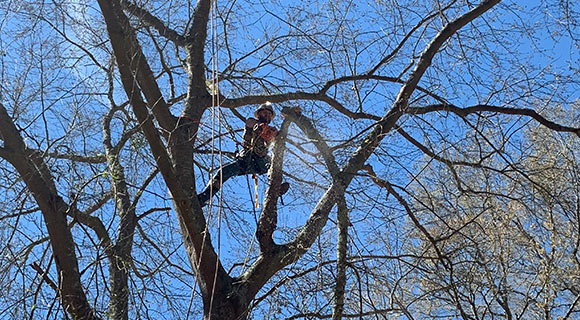
  • Grub and Beetle Infestations in Roswell Landscapes

    Grub and Beetle Infestations in Roswell Landscapes

    Sick of seeing yellow spots on your turf and wilting shrubs and trees in your landscape? Understanding how grub and beetle infestations can silently wreak havoc beneath soil and within bark will help you take proactive measures to eliminate them.

    greensandtreesroswellga.com explores grub and beetle species in Roswell, warning signs of infestation, treatment options, and prevention strategies. You’ll also learn when to contact a certified arborist and why New Image Tree Solutions is a trusted local expert.

    Grub Species in Roswell, GA

    roswell georgia grubs and beetles turf damage

    Grubs are the larvae of various beetles, and they primarily feed on roots, weakening turf and ornamentals from below.

    1. Japanese Beetle Grub (Popillia japonica)

    roswell georgia grubs and beetles popillia japonica

    Japanese beetle grubs are among the most destructive lawn pests. They appear as white, C-shaped larvae with brown heads.

    Signs:

    • Brown patches in grass that pull up easily, like a carpet
    • Increased activity of raccoons, birds, or skunks digging for food
    • Wilting or stunted growth in nearby plants

    2. May/June Beetle Grub (Phyllophaga spp.)

    roswell georgia grubs and beetles phyllophaga spp

    These grubs are larger than Japanese beetle larvae and feed for up to three years before maturing.

    Signs:

    • Dead or yellowing grass
    • Increased activity of raccoons, birds, or skunks digging for food
    • Root systems of turf appear sheared off
    • Lawn feels spongy or uneven underfoot

    Read more about this grub species at canr.msu.edu/ipm/diseases/may-or-june-beetle

    3. Green June Beetle Grub (Cotinis nitida)

    roswell georgia grubs and beetles cotinis nitida

    These pests prefer moist soil and often emerge during summer, especially after rain.

    Signs:

    • Holes or mounds on lawn surface caused by large larvae burrowing
    • Increased activity of raccoons, birds, or skunks digging for food
    • Rapid turf decline in sunny areas
    • Tunnels under soil – visible during digging

    3 Beetle Species in Roswell, GA

    Adult beetles damage foliage, bark, and branches. Some also act as vectors for plant diseases.

    1. Southern Pine Beetle (Dendroctonus frontalis)

    roswell georgia grubs and beetles dendroctonus frontalis

    This native bark beetle targets pine trees, boring through bark to lay eggs and introducing fungi.

    Signs:

    • Pitch tubes (small, popcorn-like sap masses) on pine bark
    • Yellowing or browning of pine needles
    • Bark that peels away easily, revealing tunnels underneath

    Read THIS for more information about Southern Pine Beetles.

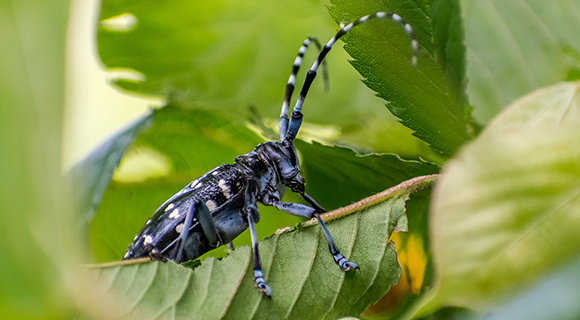
    2. Asian Longhorned Beetle (Anoplophora glabripennis)

    roswell georgia grubs and beetles anoplophora glabripennis

    Though still rare in Georgia, this invasive species poses a severe risk to hardwood trees.

    Signs:

    • Large, round exit holes in trunks or branches
    • Sawdust-like frass (excrement and wood shavings) at tree base
    • Dieback in the upper crown of host trees like maple and elm

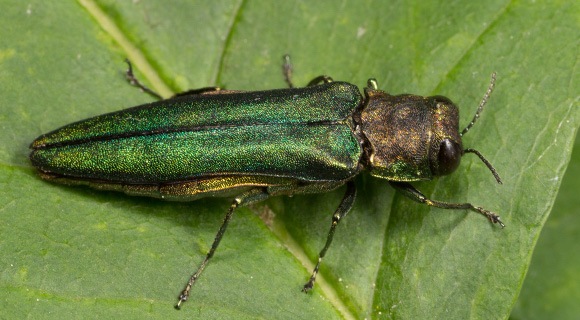
    3. Metallic Wood-Boring Beetle (Agrilus)

    roswell georgia grubs and beetles agrilus

    These beetles include Emerald Ash Borer, which is responsible for significant ash tree loss across the U.S.

    Signs:

    • D-shaped exit holes on bark
    • Canopy thinning or dead branches
    • Bark splitting over larval galleries

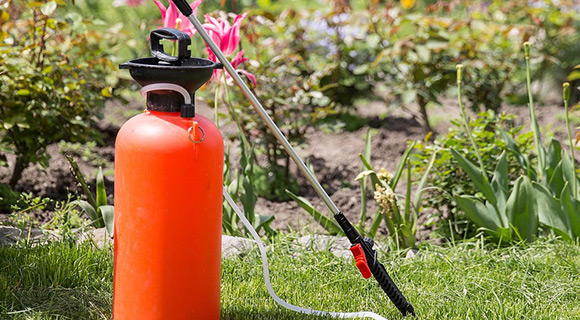
    How to Treat Grub and Beetle Infestations

    roswell georgia grubs and beetles chemical control

    Effective treatment depends on early detection and correct identification.

    For grubs:

    Chemical controls: Apply insecticides (imidacloprid or chlorantraniliprole) in early summer when grubs are young and near the surface.

    Biological controls: Use beneficial nematodes or milky spore to reduce grub populations without harming beneficial insects.

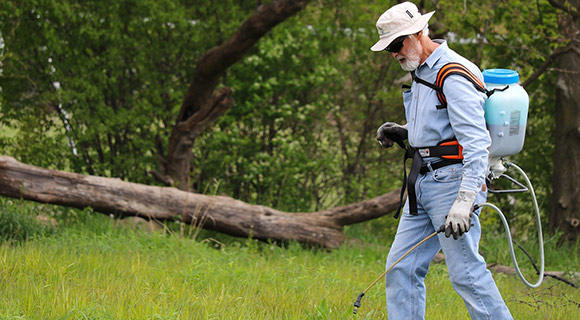
    For beetles:

    Trunk injections or soil drenches: Apply systemic insecticides to protect trees from beetles that bore or feed on bark and leaves.

    Pruning: Remove affected limbs to halt beetles from spreading and prevent further damage.

    Sanitation: Remove dead or weakened trees that may attract beetles to new areas.

    5 Ways to Prevent Future Infestations

    roswell georgia grubs and beetles landscape care

    Prevention starts with healthy soil and proper landscape care.

    1. Aerate soil annually to encourage root growth and make conditions less ideal for grubs.
    2. Avoid overwatering lawns, which attracts green June beetles.
    3. Inspect trees and shrubs monthly for signs of insect activity.
    4. Fertilize based on soil testing to promote plant health.
    5. Choose native and pest-resistant species for new plantings.

    When to Call an Arborist

    roswell georgia grubs and beetles tree and bark damage

    Call a certified arborist if:

    1. Tree limbs show unexplained dieback
    2. Bark peels or falls off in chunks
    3. Soil or mulch appears disturbed/tunneling is evident
    4. You see pitch tubes or unusual beetle activity
    5. Dead or damaged trees pose risk to property or structures

    Why Call New Image Tree Solutions 404-680-0041

    roswell georgia grubs and beetles new image tree solutions

    New Image Tree Solutions brings years of experience and ISA-certified arborists to every project. The team is knowledgeable about local weather patterns, soil conditions, and pest cycles. With an emphasis on eco-friendly treatments and science-backed practices, New Image Tree Solutions offers:

    • Expert pest and disease diagnosis
    • Strategic tree pruning and removal
    • Seasonal insecticide applications
    • Root and soil health evaluations
    • Emergency storm response

    Whether protecting a prized hardwood or reclaiming a lawn from grub damage, New Image Tree Solutions provides high-level care with hometown trust.

    When to Prune or Remove Trees, Shrubs, and Plants for Safety

    roswell georgia grubs and beetles arborist tree pruning and removal

    Pruning enhances plant structure, removes infected wood, and allows better airflow (reducing future infestations).

    Ideal pruning times:

    • Winter or early spring, before beetle emergence
    • Immediately after storm damage
    • When signs of dieback, decay, or pest damage appear

    Removal is recommended when:

    • The plant or tree is more than 50% damaged
    • Pests or disease have compromised structural integrity
    • The tree poses risks to nearby buildings or walkways

    Key Considerations for Grub and Beetle Infestations

    Grub and beetle infestations rarely begin with a dramatic sign. Instead, they develop slowly and often invisibly, gradually undermining the health of trees and turf. Understanding early indicators is critical.

    1. Monitoring is crucial. Monthly inspections of bark, canopy, and lawn condition allow property owners to detect pests before irreversible damage occurs. Pay special attention during spring and summer when insect activity increases.

    2. Time matters. Treatment timing directly affects success. Grub control products work more efficiently when grubs are newly hatched and close to the surface. Beetle treatments require planning before larvae reach mature stages.

    3. Prevention is better than reaction. Healthy soil, smart irrigation, and proper pruning make plants less appealing to pests. Choose pest-resistant plant species and avoid planting trees too close together. This limits airflow and encourages infestation.

    4. Integrated Pest Management (IPM) practices offer the most sustainable solution. This includes combining biological, mechanical, and chemical treatments to minimize environmental impact while achieving long-term control.

    5. Work with professionals. Arborists can correctly identify pest species, recommend specific treatment plans, and ensure safe removal when necessary.

    Taking swift action at the first sign of a problem can protect entire landscapes from widespread damage. Left unchecked, a single pest population can quickly spread across properties, resulting in higher costs and greater risk.

    Grub and Beetle Issues in Roswell, Georgia

    In this article, you discovered information about grub and beetle species in Roswell, including infestation warning signs, treatment options, and prevention strategies. You also learned when to contact an (ISA certified) arborist and why New Image Tree Solutions is a trusted local expert.

    Grub and beetle infestations may start small, but their impact can be significant. With preventive measures, early detection, and expert help from New Image Tree Solutions, Roswell residents can preserve the health, safety, and beauty of their outdoor spaces year-round.

    Ignoring grub and beetle infestations will leave your turf with yellow dying patches and your shrubs and trees wilting and failing.

    Sources:
    extension.uga.edu/programs-services/landscape-pest-management/Nursery-pests/japanese-beetle-popillia-japonica.html
    content.ces.ncsu.edu/green-june-beetle-1
    cisr.ucr.edu/invasive-species/asian-long-horned-beetle
    plu.edu/biology/wp-content/uploads/sites/7/2017/09/final_buprestidae_egge_20170914.pdf

    Greens and Trees Roswell Ga

     RoswellGA 
    (404) 680-0041

  • Vines are Tree Assassins

    Vines are Tree Assassins

    Those pretty vines growing on your trees are bad news. Knowing how vines adversely affect tree health will give you a reason to have them removed from your landscape.

    greensandtreesroswellga.com gathered information on vine growth, species, and prevention, as well as guidance on when to seek professional help to control or remove invasive vines.

    How Vines Compromise Tree Health

    roswell georgia vines growing on trees

    Vines climb trees in search of sunlight, attaching themselves with tendrils, aerial roots, or twining stems. While some vines are harmless, others aggressively overtake tree canopies and trunks, causing significant damage. When vines envelop a tree, they:

    Block Sunlight: Dense vine growth (in canopies) prevents trees from receiving sufficient sunlight needed for photosynthesis. This lack of energy production weakens trees over time.

    Compete for Resources: Vines absorb water and nutrients from the soil, reducing the essential resources available to the host tree.

    Create Physical Stress: The extra weight and entanglement can physically stress the branches and trunk, making them more vulnerable to breakage during storms.

    Promote Disease: Vines trap moisture against tree bark (fostering fungal diseases and pest growth). Persistent moisture results in rot and structural failure.

    If a tree becomes overwhelmed by vines, the lack of sunlight, competition for resources, and added physical strain can lead to gradual decline and, eventually, death.

    Vine Species Causing Problems in Roswell, Georgia

    roswell georgia kudzu vines on trees

    Several vine species in Roswell, Georgia, have become notorious for their destructive potential. Five common examples include:

    English Ivy (Hedera helix)

    • This evergreen vine aggressively climbs and smothers trees. Its strong adhesive roots cling to bark, making removal difficult once established.

    Kudzu (Pueraria montana var. lobata)

    • Known as “the vine that ate the South,” kudzu grows rapidly, covering trees and structures alike. Its vigorous growth blocks sunlight and suffocates trees.

    Trumpet Vine (Campsis radicans)

    • With its large, trumpet-shaped flowers, this vine is attractive but invasive. It spreads quickly, often overwhelming trees with its robust twining habit.

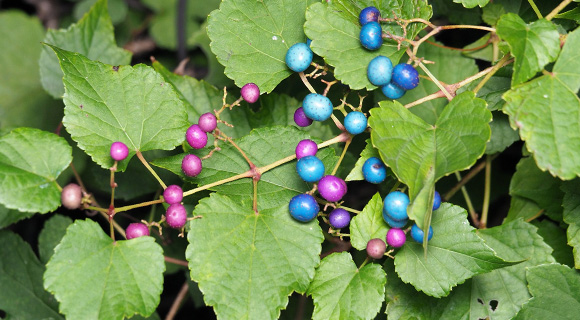
    Porcelain Berry (Ampelopsis brevipedunculata)

    roswell georgia porcelain berry vines on trees
    • This vine produces shiny, attractive berries, yet it forms dense mats that can blanket tree canopies. Its rapid growth can lead to significant tree stress.

    Crossvine (Bignonia capreolata)

    • Although native in parts, crossvine can become problematic when it proliferates excessively. It climbs by twining around trees, eventually covering large portions of the trunk and branches.

    Preventive Measures and Management

    roswell georgia invasive vines on trees pruning

    Preventive measures, regular maintenance, and timely intervention by professional arborists are essential methods for vine management. Managing vine infestations is crucial to prevent long-term damage. Here are several strategies for controlling vine growth and protecting trees:

    Regular Inspections – Schedule periodic inspections of your trees, especially during the growing season. Early detection of vine encroachment allows for prompt removal before damage escalates.

    Manual Removal – For early-stage infestations, manually removing vines is often effective. Pull vines away from tree trunks, cutting them at the base to discourage regrowth. For stubborn species like kudzu or English ivy, use consistent removal efforts throughout the season.

    Herbicide Application – When manual removal is insufficient, targeted herbicide treatments may be required. Apply herbicides carefully along vine stems, following manufacturer instructions and local guidelines. Always consider contacting a professional arborist for advice, especially when dealing with large trees or extensive infestations.

    Physical Barriers – Installing physical barriers around trees can prevent vines from climbing. Use tree guards or other protective measures to keep aggressive vines at bay, particularly on younger trees that are more vulnerable.

    Pruning and Maintenance – Regular pruning can help maintain a tree’s natural defense against vine encroachment. Removing lower branches and maintaining proper canopy structure improves air circulation and sunlight penetration, making it harder for vines to establish.

    When to Call an Arborist

    It is crucial to consult a professional arborist when vine infestation becomes severe. Consider calling an arborist if:

    • Vines cover more than 50% of a tree’s canopy.
    • There is a noticeable decline in tree health, such as leaf discoloration, branch dieback, or premature leaf drop.
    • Structural damage appears present, such as weakened trunk integrity or broken branches.
    • DIY removal efforts have failed.

    Arborists can assess the extent of the infestation, safely remove invasive vines, and provide recommendations for long-term management. They may also inspect the tree for underlying health issues that vines might have exacerbated.

    Reporting and Removal Protocols

    roswell georgia forestry commission vines on trees

    When vine infestations threaten public safety or urban forests, contact local government agencies and community organizations, while homeowners and city planners can reach out to:

    New Image Tree Solutions: They will dispatch an arborist to identify the invasive vine species, offer immediate containment solutions, and begin the documentation process. Call today for a free assessment. Phone: 404-680-0041

    Local Cooperative Extension: Provides expert guidance on vine management.
    Fulton County UGA Extension Office Phone: 404-613-7670

    State Forestry Division: Oversees invasive vine species control and urban forest health.
    Georgia Forestry Commission Phone: 800-436-7442

    U.S. Department of Agriculture: Offers resources and support for large-scale vine invasions.
    National Species Identification Services Team Phone: 770-792-0594

    For heavily infested trees that must be removed, professionals typically follow these protocols:

    • Assessment: Arborists evaluate the tree’s health and risk to surrounding structures.
    • Safe Removal: Specialized equipment and techniques ensure safe removal, minimizing damage to adjacent trees and property.
    • Proper Disposal: Infested material should be chipped, composted, or incinerated to prevent further spreading of invasive vines.

    Alternatives for Vulnerable Trees

    After tree removal, consider replanting with species less susceptible to vine encroachment. Resistant species promote landscape health and resilience.

    Tree Killing Vines

    In this article, you discovered crucial information about vine growth, species, prevention, and when to seek professional help to control or remove invasive vines.

    Keeping vines away from your trees is a proactive way to promote healthy landscape growth. While beautiful and lush, vines can do more harm than good.

    Vines (when left unchecked) can be silent tree killers. Their relentless growth, competition for sunlight and nutrients, and potential to foster disease contribute to tree decline and eventual death.

    Sources:
    extension.uga.edu/fannin-gilmer/2021/05/controlling-weedy-vines-in-the-home-landscape
    gardeningsolutions.ifas.ufl.edu/care/weeds-and-invasive-plants/removing-problematic-vines
    extension.umd.edu/resource/invasive-vine-and-groundcover-control

    Greens and Trees Roswell Ga

     RoswellGA 
    (404) 680-0041
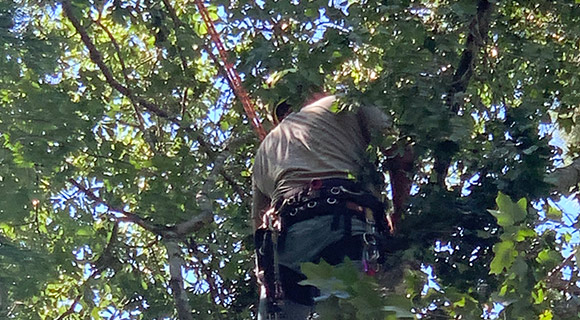
  • 3 Hardy Grass Species for Roswell Georgia

    3 Hardy Grass Species for Roswell Georgia

    Avoid the embarrassment of an unhealthy, ugly lawn. Knowing which grass species to plant in Roswell, Georgia, will help you achieve a beautiful lawn, increasing your home’s curb appeal and esthetic value.

    greensandtreesroswellga.com gathered (soil, planting, watering, and mowing) information about three hardy grass species for the Roswell, Georgia, area.

    Roswell, GA USDA Plant Hardiness Zone

    Roswell, GA, is in USDA Plant Hardiness Zone 7b, where winters remain gentle, and summers bring high temperatures and humidity. This climate demands grass that thrives in heat while tolerating occasional cold snaps. Understanding local conditions helps you select species that flourish and maintain vibrant turf year-round.

    Read more about the USDA Plant Hardiness Zone map and use its interactive tool HERE.

    1. Bermudagrass in Roswell

    hardy bermudagrass species Roswell Georgia

    Bermudagrass is a warm-season turf known for rapid growth and exceptional drought tolerance. Its dense growth pattern creates a thick lawn that competes well with weeds. Best suited for sunny areas, Bermudagrass remains popular among homeowners seeking resilient ground cover.

    Planting and Growing Tips:

    • Timing: Plant during late spring when the soil is warm. This is ideal for rapid root development.
    • Soil Preparation: Work compost and sand into the soil; this improves drainage and a nutrient-rich base.
    • Planting Method: Use quality sod or seed; follow recommended spacing guidelines for proper turf formation.
    • Watering: Water consistently during establishment; gradually reduce frequency once roots deepen.
    • Mowing: Begin mowing when blades reach approximately 1.5 inches; trim to approximately 1 inch to encourage density and curb spread.

    Common Diseases and Treatments:

    • Dollar Spot: This disease appears as small, circular patches with bleached centers. The remedy includes modifying watering routines and applying targeted fungicides.
    • Rust: This disease manifests as yellow-orange spotting on blades. Prevent rust by employing early morning watering and treating affected areas with suitable fungicides. Regular soil aeration and balanced fertilization help maintain plant health.

    2. Roswell Zoysiagrass

    hardy zoysiagrass species Roswell Georgia

    Zoysiagrass is a dense, fine-textured turf that excels in full sun and requires moderate water. Its slow-growing nature means less frequent mowing and lower maintenance overall. This grass species adapts to heat, making it a popular choice for Roswell landscapes.

    Planting and Growing Tips:

    • Timing: Plant in late spring when temperatures consistently warm; this ensures successful root establishment.
    • Soil Preparation: Loosen soil and mix in organic matter; aim for enhanced moisture retention and nutrient availability.
    • Planting Method: Choose sod or plugs; arrange them evenly to promote uniform growth across the lawn.
    • Watering: Maintain deep, infrequent watering schedules once established; this promotes robust, drought-resistant roots.
    • Mowing: Mow when blades reach 2 inches; reduce the height to around 1.5 inches to maintain appearance and prevent thatch buildup.

    Common Diseases and Treatments:

    • Brown Patch: Recognized by circular, brown lesions on turf. Improve drainage and apply fungicides to control outbreaks.
    • Leaf Spot: Presents as discolored speckles scattered along blades. Remedy by reducing overhead watering, enhancing air circulation, and treating with appropriate fungicide. Consistent fertilization and proper mowing practices contribute to overall turf resilience.

    3. Tall Fescue for Roswell GA

    hardy tall fescue grass species Roswell Georgia

    Tall Fescue, a cool-season turf, adapts well to partial shade and transitional climates. Its deep root system provides durability and resistance to drought. Tall Fescue offers an attractive lawn even in mixed sun and shade settings, making it suitable for many Roswell yards.

    Planting and Growing Tips:

    • Timing: Plant during early fall or spring when cooler weather supports seed germination and establishment.
    • Soil Preparation: Incorporate compost or other organic amendments; this enhances soil structure and drainage.
    • Planting Method: Use high-quality seed or sod; distribute evenly and follow recommended seeding rates to achieve uniform coverage.
    • Watering: Water frequently during initial germination; transition to deep, occasional watering once established.
    • Mowing: Mow when blades reach 3 to 4 inches; cut back to approximately 2.5 inches to promote a healthy crown and discourage weed invasion.

    Common Diseases and Treatments:

    • Leaf Spot: Appears as small, dark lesions on turf blades. Address by applying fungicide, reducing excess moisture, and thinning dense growth to improve air circulation.
    • Fusarium Blight: This disease causes wilting and discoloration; respond by adjusting watering practices to avoid prolonged moisture and using recommended fungicide treatments. Regular soil testing and balanced nutrient applications help maintain disease resistance.

    Read more about Fusarium Blight at ipm.ucanr.edu/agriculture/turfgrass/fusarium-blight/#gsc.tab=0

    Grass Selection for Roswell, Georgia

    Selecting grass species adapted to local conditions is key to creating a lush, low-maintenance lawn in Roswell, Georgia. Bermudagrass, Zoysiagrass, and Tall Fescue each offer distinct benefits for different areas and lifestyles. Whether a homeowner seeks rapid coverage, texture, or shade tolerance, these species provide practical solutions tailored to local climate challenges.

    hardy grass species maintenance Roswell Georgia

    Successful lawn care depends on proper planting techniques, regular maintenance, and prompt attention to common diseases. Following suggested bullet guidelines helps ensure robust turf establishment and long-lasting beauty. With careful soil preparation, appropriate watering schedules, and timely mowing, these grass species can flourish and contribute to a welcoming outdoor environment. Disease prevention through cultural practices and timely fungicide applications supports healthy growth and minimizes turf stress.

    Enhancing landscapes with grass species adapted to USDA Plant Hardiness Zone 7b builds a foundation for sustainable, attractive Roswell yards. Enjoy enhanced curb appeal, reduced maintenance demands, and a greener community (by embracing these resilient turf options). By paying close attention to planting schedules, soil improvement strategies, and routine mowing practices, every lawn can become a vibrant, durable outdoor space that endures seasonal fluctuations.

    Healthy lawns contribute positively to overall property value and community beauty. Grass care routines tailored to local weather conditions support ecological balance while providing spaces for relaxation and outdoor enjoyment. Whether opting for Bermudagrass, Zoysiagrass, or Tall Fescue, homeowners in Roswell, Georgia, have reliable options to build and maintain high-quality turf that stands up to environmental challenges and remains inviting year after year.

    Read more about growing a healthy lawn at extension.uga.edu/publications/detail.html?number=C1009&title=ten-steps-to-a-healthier-home-lawn

    Roswell, Georgia, Grass

    In this article, you discovered soil, planting, watering, and mowing data and resources about three hardy grass species for the Roswell, Georgia, region.

    Planting zone 7b hardy grass species in your Roswell, Georgia, landscape will help you grow and care for a vibrant, beautiful lawn.

    Failure to plant zone-hardy grass species will leave you with an embarrassing and difficult-to-maintain yard riddled with yellow and dying patches.

    Sources:
    planthardiness.ars.usda.gov
    extension.uga.edu/content/dam/extension-county-offices/forsyth-county/anr/ZoysiagrassLawnCalendar.pdf
    secure.caes.uga.edu/extension/publications/files/pdf/L%20354_3.PDF
    hgic.clemson.edu/factsheet/bermudagrass-maintenance-calendar/
    extension.uga.edu/publications/detail.html?number=B911&title=bermudagrass-in-georgia

    Greens and Trees Roswell Ga

     RoswellGA 
    (404) 680-0041
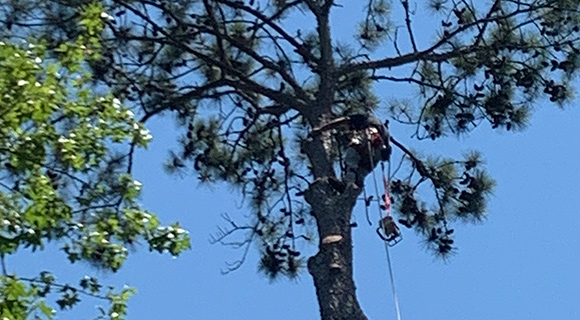
  • 3 Hardy Shrub Species for Roswell Georgia

    3 Hardy Shrub Species for Roswell Georgia

    Looking to add depth and wind protection to your landscape? Knowing which shrub species to plant in Roswell, Georgia, will help you achieve a beautifully planned landscape, increasing your home’s curb appeal and value.

    greensandtreesroswellga.com gathered soil, spacing, watering, and trimming information for three hardy shrub species for the Roswell, Georgia, region.

    Shrubs for Roswell, Georgia Landscapes

    The USDA Hardiness Zone Map helps you select shrubs best suited for local weather. Roswell is in USDA Hardiness Zone 7b, where winters are typically gentle, and summers deliver abundant heat and humidity. This information guides choices toward species that flourish under these conditions without constant fuss. Consider the following shrub species:

    1. Nandina domestica (Heavenly Bamboo)

    nandina domestica shrub species Roswell Georgia

    Nandina domestica brings exotic flair with its evergreen foliage and seasonal berry displays. This shrub tolerates various soils and offers texture and color throughout the year. Its ability to adapt to sun and partial shade makes it great for many garden settings.

    Planting & Growing Tips:

    • Timing: Plant in early spring after frost risk passes; This ensures roots get established before the summer heat.
    • Soil: Choose well-draining, fertile substrate; mix in compost to boost nutrients.
    • Spacing: Arrange plants with sufficient room to encourage airflow.
    • Watering: Water regularly during establishment; gradually reduce frequency as roots deepen.
    • Trimming: Prune lightly in late winter or early spring; remove dead or weak branches for improved structure.

    Common Diseases & Treatments:

    • Leaf Spots: Small, brown lesions may appear on foliage. Treat by removing affected leaves and applying a suitable fungicide.
    • Powdery Mildew: A white, dusty coating may develop. The remedy includes increasing air circulation and using a fungicide as needed.

    2. Spiraea japonica (Japanese Spirea)

    spiraea japonica shrub species Roswell Georgia

    Spiraea japonica presents clusters of bright blooms in summer and turns into an attractive autumn color. This deciduous shrub thrives in full sun and tolerates a range of soil textures. Its compact growth habit makes it ideal for borders or as a focal point in a mixed planting.

    Planting & Growing Tips:

    • Timing: Plant during early spring; favorable temperatures support rapid establishment.
    • Soil: Use a well-draining mix enriched with organic matter; add mulch to conserve moisture.
    • Spacing: Space shrubs adequately to reduce humidity buildup around leaves.
    • Watering: Maintain consistent moisture during the first season; water deeply when established.
    • Trimming: Prune after blooming in late summer; removing spent flower clusters encourages new blooms.

    Common Diseases & Treatments:

    • Rust: Rust-colored spots on leaves may occur. Remove affected foliage and apply a fungicide suitable for shrub applications.
    • Botrytis Blight: Gray mold may appear during prolonged wet periods. Improve air circulation and treat with a fungicide when symptoms emerge.

    3. Hydrangea paniculata (Panicle Hydrangea)

    hydrangea paniculata shrub species Roswell Georgia

    Hydrangea paniculata offers large, cone-shaped clusters of white blooms that gradually turn pink as the season progresses. This deciduous shrub thrives in sun or partial shade and adapts to well-draining soils with moderate fertility. Its showy flowers and strong branch structure provide lasting interest throughout summer and early fall.

    Planting & Growing Tips:

    • Timing: Plant in early spring when soil is workable; this ensures proper root establishment before summer heat.
    • Soil: Select a well-draining, loamy substrate; mix in compost to enhance moisture retention.
    • Spacing: Provide adequate room between plants to prevent overcrowding and improve sunlight penetration.
    • Watering: Water consistently during establishment; later, deep, infrequent watering supports drought tolerance.
    • Trimming: Cut back in late winter before new growth appears; remove weak, crossing, or damaged branches to maintain shape.

    Common Diseases & Treatments:

    • Leaf Blight: Brown, spotted lesions may develop on foliage. Remove infected leaves and treat with a fungicide following label instructions.
    • Powdery Mildew: Fungal growth may appear during humid conditions. Remedy includes increasing spacing and applying fungicide when necessary.

    Roswell, GA USDA Plant Hardiness Zone

    USDA plant hardiness zone map shrub species Roswell Georgia

    Roswell, GA sits within USDA Plant Hardiness Zone 7b, where winters remain gentle and summers bring high temperatures and humidity. This climate demands grass that thrives in heat while tolerating occasional cool snaps. Understanding local conditions helps in selecting species that flourish and maintain vibrant turf year-round.

    Read more about the USDA Plant Hardiness Zone map and use its interactive tool HERE.

    Hardy Shrubs for Roswell, GA

    plant hardiness zone 7b shrub species Roswell Georgia

    Selecting hardy shrub species tailored to local conditions transforms outdoor spaces into vibrant, low-maintenance landscapes. Nandina domestica, Spiraea japonica, and Hydrangea paniculata each present unique aesthetic qualities with distinct cultural requirements. Embracing detailed planting and growing tips ensures healthy establishment and long-term success. Regular watering during initial stages, proper spacing to reduce humidity, and timely pruning contribute to robust growth. Addressing common diseases early with appropriate fungicide treatments and improved cultural practices minimizes plant stress and extends seasonal beauty.

    Gardening in USDA Hardiness Zone 7b demands species that thrive in heat and tolerate mild winter chills. Understanding local conditions and selecting shrubs suited to these parameters creates a balanced, thriving garden. Consistent care through proper planting techniques, routine maintenance, and proactive disease management leads to a resilient landscape that endures seasonal fluctuations while providing color and structure.

    Home gardeners in Roswell, Georgia, benefit from integrating these hardy shrub species into garden designs. With careful planning and attention to cultural practices, every outdoor space can blossom into a welcoming retreat. Vibrant, healthy shrubs enhance curb appeal and create a habitat for beneficial insects and birds. Embrace these recommendations and enjoy a garden that reflects natural beauty and regional resilience.

    Call THIS arborist for help with trees, shrubs, and soil management.

    Roswell Georgia Shrub Species

    In this article, you discovered essential soil, spacing, watering, and trimming information about three robust shrub species for the Roswell, Georgia, region.

    The right shrubs on your property can add dimension, charm, wind protection, and curb appeal to your home and landscape.

    Ignoring the need to plant shrubs around your yard will leave your property vulnerable to wind gusts and severe erosion in the rainy season.

    Sources:
    planthardiness.ars.usda.gov
    depts.ttu.edu/plantresources/Pages/directories/landscape-info-sheets/woody-info/Nandina_domestica.php
    plants.ces.ncsu.edu/plants/spiraea-japonica
    hort.ifas.ufl.edu/database/documents/pdf/tree_fact_sheets/hydpana.pdf

    Greens and Trees Roswell Ga

     RoswellGA 
    (404) 680-0041
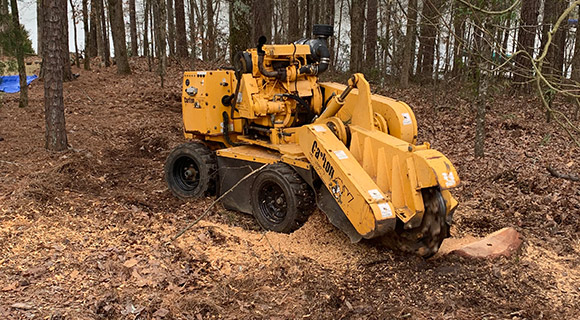
  • 5 Hardy Flowering Plant Species for Roswell, Georgia

    5 Hardy Flowering Plant Species for Roswell, Georgia

    Are you embarrassed by a plain, flowerless landscape? Knowing which flowering plant species to choose in Roswell, Georgia, will help you achieve a beautiful landscape, increasing your home’s curb appeal and value.

    greensandtreesroswellga.com gathered soil, spacing, watering, and trimming information about five hardy flowering plant species for the Roswell, Georgia, region.

    Hardy Flowering Plants for Roswell, GA

    hardiness zone map roswell georgia hardy flowering plant species zone 7b

    The USDA Plant Hardiness Zone Map helps gardeners select species that best adapt to local weather. Roswell lies in USDA Plant Hardiness Zone 7b, where winters are gentle (and summers deliver ample heat). This information directs choices toward species that can handle seasonal fluctuations without constant fuss.

    Below are five species recommended for Roswell gardens, complete with detailed bullet lists highlighting planting, growing, trimming tips, and disease management.

    1. Purple Coneflower (Echinacea purpurea)

    purple coneflower roswell georgia hardy flowering plant species zone 7b

    Purple Coneflowers present stunning daisy-like blooms that brighten landscapes and attract beneficial pollinators. This perennial thrives in sunlit spots and tolerates a range of soil conditions.

    Planting & Growing Tips:

    • Timing: Plant during early spring after danger from frost; ideal for establishing deep roots.
    • Soil: Choose a well-draining, moderately fertile substrate; add compost to boost nutrient content.
    • Spacing: Position plants at recommended intervals to encourage air circulation.
    • Watering: Provide regular, moderate watering during initial growth; reduce frequency once established.
    • Trimming: Remove spent blooms in late summer, encouraging further flowering.

    Common Diseases & Treatments:

    • Leaf Spot: Appears as small, dark lesions on foliage. Treatment involves removing infected parts and using a mild fungicide.
    • Powdery Mildew: Characterized by white, dusty coating on leaves. Remedies include improving airflow and applying fungicide when symptoms appear.

    2. Black-Eyed Susan (Rudbeckia hirta)

    Roswell georgia hardy flowering plant species zone 7b

    Black-Eyed Susan plants offer vibrant, golden-yellow blooms that bring cheer to any garden. This robust perennial adapts well to the sun and tolerates various soil types.

    Planting & Growing Tips:

    • Timing: Plant during early spring when temperatures are moderate; ensures steady growth.
    • Soil: Use loose, well-draining soil; incorporate organic matter to boost fertility.
    • Spacing: Space plants adequately to minimize humidity retention.
    • Watering: Water regularly during establishment; allow soil to dry between sessions.
    • Trimming: Prune spent flowers in late summer; encourages a continuous display of blooms.

    Common Diseases & Treatments:

    • Rust: Exhibits as rust-colored spots on foliage. Control involves removing affected leaves and using an appropriate fungicide.
    • Powdery Mildew: Look for white coating on leaves. Remedies include increasing air circulation and avoiding overhead watering.

    3. Daylily (Hemerocallis spp.)

    daylilly roswell georgia hardy flowering plant species zone 7b

    Daylily brings a burst of color with each bloom, with many varieties offering a range of hues. This versatile perennial thrives in sun or partial shade and adapts to various soil types.

    Planting & Growing Tips:

    Timing: Plant during early spring or fall when the weather remains mild.
    Soil: Select a well-draining, nutrient-rich medium; amend with compost to encourage vigorous growth.
    Spacing: Arrange plants with ample room to allow expansion (supports healthy development).
    Watering: Ensure consistent moisture during establishment; moderate watering thereafter.
    Trimming: Remove dead foliage and spent blooms in mid-summer; fosters new growth and cleaner appearance.

    Common Diseases & Treatments:

    Rust: Look for orange, pustule-like spots on leaves. Treatment involves removing infected foliage and applying a fungicide.
    Leaf Spot: Small, brown lesions may appear; improve air circulation and use fungicide if issues persist.

    4. Tickseed (Coreopsis verticillata)

    tickseed flowers roswell georgia hardy flowering plant species zone 7b

    Tickseed dazzles with bright, daisy-like flowers and a fine texture that suits borders and large landscapes. This perennial flourishes in the sun and handles poor soils.

    Planting & Growing Tips:

    Timing: Plant in early spring when temperatures allow steady root development.
    Soil: Opt for well-draining, sandy soil; amend with organic matter to enhance fertility.
    Spacing: Ensure sufficient distance between plants to prevent crowding.
    Watering: Water consistently during establishment; allow soil to dry slightly between sessions.
    Trimming: Prune dead blooms regularly throughout summer; stimulates fresh, continuous flowering.

    Common Diseases & Treatments:

    Powdery Mildew: Often appears as white residue on foliage; remedy includes improved spacing and occasional fungicide application.
    Leaf Spot: Manifested by small, irregular brown patches; managed through proper watering and removal of affected parts.

    5. Garden Sage (Salvia nemorosa)

    garden sage roswell georgia hardy flowering plant species zone 7b

    Garden Sage offers tall spikes adorned with vibrant, tubular flowers that attract hummingbirds and butterflies. This perennial thrives in full sun and tolerates dry, well-drained soil, making it a popular choice for drought-tolerant gardens.

    Planting & Growing Tips:

    Timing: Plant during early spring once frost risk passes; supports early establishment.
    Soil: Use well-draining, moderately fertile substrate; mixing in compost promotes robust growth.
    Spacing: Arrange plants to allow airflow (critical for reducing humidity).
    Watering: Provide moderate, deep watering during dry spells; overwatering may lead to root problems.
    Trimming: Cut back spent flower spikes in the early fall (encourages bushier growth and improved bloom production).

    Common Diseases & Treatments:

    Root Rot: May occur in overly moist conditions; remedy includes ensuring proper drainage and reducing watering frequency.
    Mildew: Mold (white or gray) may develop on leaves under high humidity. Control mold by increasing air circulation and using an appropriate fungicide as needed.

    Roswell, Ga, Flowering Plants

    tickseed roswell georgia hardy flowering plant species zone 7b

    Choosing hardy flowering species tailored to Roswell, Georgia’s climate results in a vibrant, resilient garden. Purple Coneflower, Black-Eyed Susan, Daylily, Tickseed, and Garden Sage each present distinctive charm and require specific care practices. Embracing planting and growing tips with scheduled trimming ensures optimal health and beauty. Addressing common diseases early and applying suitable treatments keeps plants thriving throughout seasonal changes.

    Gardening in USDA Plant Hardiness Zone 7b offers unique challenges and opportunities.
    Homeowners can create a stunning landscape that enhances curb appeal and attracts beneficial pollinators and wildlife. With careful planning and routine maintenance, these five hardy species provide continuous color and texture across gardens year after year. Success lies in understanding local conditions and selecting species that suit these parameters. Regular soil testing, proper watering routines, and timely pruning foster vibrant growth. By following these tips, gardeners can enjoy flourishing flowering plants that brighten outdoor spaces while enduring Roswell’s variable climate.

    A well-planned garden supports biodiversity and creates a haven for local fauna. With these recommendations, every yard can become a haven for beauty and ecological balance. Explore these hardy species and let vibrant blooms transform outdoor spaces into colorful retreats.

    Roswell, GA USDA Plant Hardiness Zone

    Roswell, GA, is in USDA Plant Hardiness Zone 7b, where winters remain gentle, and summers bring high temperatures and humidity. This climate demands grass that thrives in heat while tolerating occasional cold snaps. Understanding local conditions helps you select species that flourish and maintain vibrant turf year-round.

    Read more about the USDA Plant Hardiness Zone map and use its interactive tool HERE.

    Flowering Plants for Roswell Georgia Yards

    In this article, you discovered soil, spacing, watering, and trimming information about five hardy flowering plant species for the Roswell, Georgia, region.

    Planting zone-hardy flowering plants in your yard and garden can increase your home’s curb appeal and value.

    Failure to use hardy flowering plants in your landscape and garden will result in an embarrassing yard and significantly increased maintenance.

    Sources:
    planthardiness.ars.usda.gov
    plants.ces.ncsu.edu/plants/echinacea-purpurea
    extension.uga.edu/publications/detail.html?number=B944&title=flowering-perennials-for-georgia-gardens
    hort.ifas.ufl.edu/database/documents/pdf/shrub_fact_sheets/hemsppa.pdf
    edis.ifas.ufl.edu/publication/FP143
    uaex.uada.edu/yard-garden/resource-library/plant-week/Salvia%20-nemorosa-Rose-Marvel-Sage-05-11-2018%20.aspx

    Greens and Trees Roswell Ga

     RoswellGA 
    (404) 680-0041