Tag: plants

  • What To Do After the First Freeze

    What To Do After the First Freeze

    Are you scrambling to protect your lawn, garden, and trees from freezing weather? Knowing how to properly care for grass, shrubs, and trees after the first freeze not only protects your investment but also sets your property up for a healthy recovery when spring returns. Knowing what steps to take can prevent permanent damage, ensure plant survival, and keep your property looking its best through the colder months.

    greensandtreesroswellga.com gathered information about the essential steps property owners can take to protect landscapes after the first freeze. This includes practical advice on grass and plant protection, when to call an arborist, and how strategic fertilization, pruning, or removal can ensure that your property remains safe and healthy all winter long. With this expert guidance, you can take proactive measures to preserve tree and plant health while preventing costly replacements once the cold weather ends.

    Frost vs. Freeze

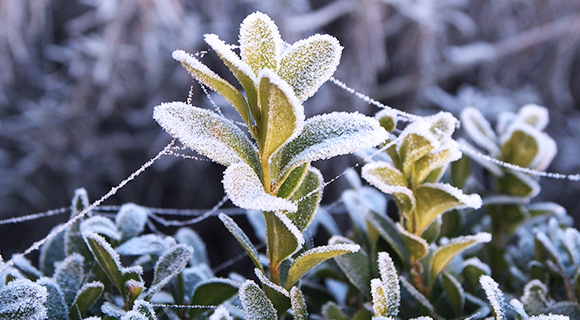
    frost and freeze protection frozen landscape

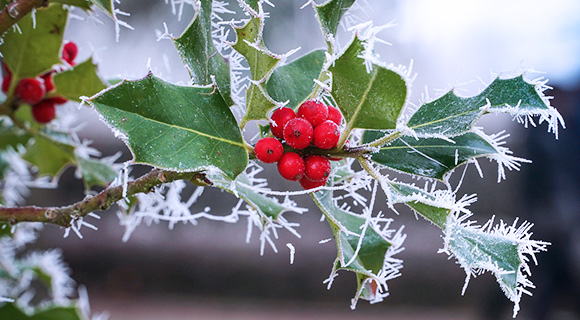
    Frost occurs when ice crystals form on the surface of foliage. This can happen when air temperatures are slightly above freezing, but the plant surface cools to the freezing point.  The National Weather Service issues frost advisories when temperatures are expected to be between 33 and 36°F.  Frosts generally cause minor damage but can cause severe damage to sensitive species, especially flowers and flower buds that have broken dormancy.

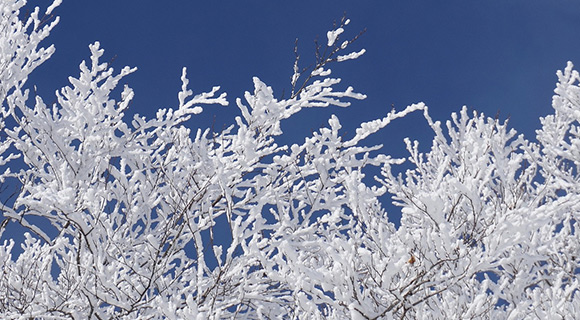
    frost and freeze protection frozen shrub

    A freeze is significantly more damaging than a frost. Freezes occur when the air and interior of the plant drop below 32°F.  During a freeze, plant cells freeze, damaging cellular tissue, turning brown or black, wilting, and/or collapsing.   

    There are two types of freeze events: advection and radiation. 

    • An advection freeze occurs when a dry, cold air mass settles into a region and it remains relatively windy.
    • A radiation freeze occurs during clear, calm nights.  During a radiation freeze, cold air remains at ground level while warm air “radiates” or escapes into the upper atmosphere.

    1. Assess the Impact of the Freeze

    After a freeze, inspect your property for visible signs of stress or damage. Frozen soil prevents roots from absorbing moisture, which can cause leaves to turn brown or brittle. Trees and shrubs may display cracked bark, and smaller plants may appear wilted or drooping. Resist the urge to prune or fertilize immediately – plants often need time to recover before their level of injury becomes visible.

    2. Protecting Landscape Grass

    frost and freeze protection landscape grass

    Grass is especially vulnerable after the first freeze. Property owners should avoid walking or driving across frozen lawns, as the blades can easily snap, leaving dead patches behind. If you haven’t already applied a winterizing fertilizer before the freeze, consider doing so on a day when the ground has thawed slightly. This helps strengthen roots for the months ahead and prepares your lawn to fully recover when warmer temperatures return.

    3. Shrub and Plant Care

    frost and freeze protection foliage damage

    Many shrubs and flowering plants can survive moderate freezes if protected. Once the freeze has passed, gently water the soil during midday when temperatures are above freezing. Moist soil holds heat better than dry soil, which helps insulate roots. Adding mulch around the base of shrubs and plants can further regulate soil temperature and retain moisture. Avoid pruning right after the first freeze. Wait until late winter when plants are dormant to minimize stress and encourage healthy spring growth.

    4. Tree Protection and Maintenance

    Trees are often the most valuable part of a landscape, but also the most susceptible to damage from freezing temperatures. Cracked bark, frost splits, and brittle branches can pose safety hazards if left untreated. Tree wrapping or mulching around the base can help retain root warmth. Inspect limbs for cracking or splitting and mark any that appear unstable. This early detection can prevent property damage when ice or heavy winds follow.

    5. When to Call an Arborist

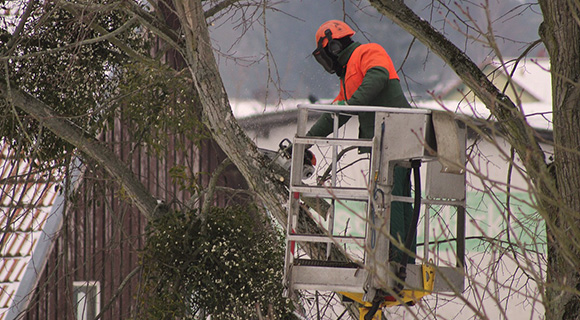
    An arborist should be called if you notice significant cracking, leaning trees, or large broken branches after a freeze. Certified arborists have the training and tools to assess structural stability and determine whether a tree can be saved or needs to be removed. They can also provide targeted pruning, preventing weakened branches from becoming hazards in winter storms. Arborists often use specialized equipment (cranes and aerial lifts) to safely remove dangerous limbs or trees that may threaten homes and utility lines.

    Why Call Greens and Trees Roswell Ga

    frost and freeze protection

    Greens and Trees Roswell Ga together with New Image Tree Solutions, is a trusted name in tree and landscape care, offering arborist-led services designed to protect both tree health and property safety. Their certified team specializes in post-freeze care, storm-damage prevention, and proactive maintenance that keeps your landscape thriving year-round. From professional pruning and fertilization to removal and stump grinding, the company offers free assessments and customized recommendations for every property. Homeowners and business owners alike rely on Greens and Trees Roswell Ga for reliable, knowledgeable care that combines safety, science, and sustainability.

    When to Prune, Fertilize, or Remove

    Pruning after the first freeze should occur once trees and plants are dormant – typically late winter. This timing minimizes sap loss and stress while promoting vigorous spring growth. Fertilizing during late winter or early spring supports recovery and new growth. Removal becomes necessary if trees are structurally compromised or if disease has spread beyond recovery. An arborist can help determine when removal is the safest and most cost-effective option.

    Key Considerations for The First Freeze and Winter

    frost and freeze protection information

    Successfully protecting your landscape after the first freeze requires understanding how cold temperatures affect plant structure and soil composition. During freezes, water inside plant cells expands, causing tissue damage that may not be immediately visible. To minimize long-term effects, property owners should maintain consistent soil moisture, avoid compacting frozen soil, and continue monitoring plant health throughout winter.

    1. Mulching remains one of the simplest and most effective steps you can take. A layer of mulch around trees and shrubs provides insulation against rapid temperature changes and helps retain soil moisture. Choose organic mulch such as wood chips or pine straw for optimal results. Additionally, wrapping young or thin-barked trees with burlap or tree guards can prevent frost cracks and sunscald, both common winter issues in Georgia’s fluctuating climate.
    2. Avoid fertilizing immediately after a freeze, as plants are not actively growing during cold months and cannot absorb nutrients efficiently. Premature fertilization can force growth that may later die back in freezing temperatures. Instead, plan fertilization for early spring once the risk of frost has passed.
    3. Tree and shrub pruning should focus on removing dead or broken branches that could cause damage during high winds or snow accumulation. Hiring an arborist for this work ensures precise cuts and balanced shaping, preserving both safety and aesthetics. For properties with mature trees near buildings or power lines, arborist-led inspections should be performed before major winter storms.
    4. Lastly, don’t overlook irrigation systems. Frozen pipes or sprinkler heads can lead to costly repairs. Ensure all lines are drained and insulated. By following these precautions, you can safeguard your landscape, reduce hazards, and maintain healthy growth well beyond winter.
    frost and freeze protection bush damage

    Winter Landscape Precautions

    In this article, you discovered how to assess freeze damage, protect grass and shrubs, maintain tree health, and determine when professional arborist services are necessary. You also learned practical strategies for pruning, fertilizing, and removing trees to protect your property from winter weather challenges.

    By taking these proactive measures, property owners can enjoy a landscape that not only survives winter but thrives in spring. Healthier grass, stronger roots, and safer trees all contribute to a more beautiful and valuable property.

    Failing to act after the first freeze can lead to long-term damage. Neglected trees may become unstable, plants can die from root exposure, and lawns may struggle to recover, requiring costly restoration. Protecting your property now ensures safety, beauty, and vitality through every season.

    Sources:
    fieldreport.caes.uga.edu/news/protect-plants-from-blast-of-cold-temperatures
    extension.umn.edu/planting-and-growing-guides/protecting-trees-and-shrubs-winter

    Greens and Trees Roswell Ga

     RoswellGA 
    (404) 680-0041
  • 3 Hardy Shrub Species for Roswell Georgia

    3 Hardy Shrub Species for Roswell Georgia

    Looking to add depth and wind protection to your landscape? Knowing which shrub species to plant in Roswell, Georgia, will help you achieve a beautifully planned landscape, increasing your home’s curb appeal and value.

    greensandtreesroswellga.com gathered soil, spacing, watering, and trimming information for three hardy shrub species for the Roswell, Georgia, region.

    Shrubs for Roswell, Georgia Landscapes

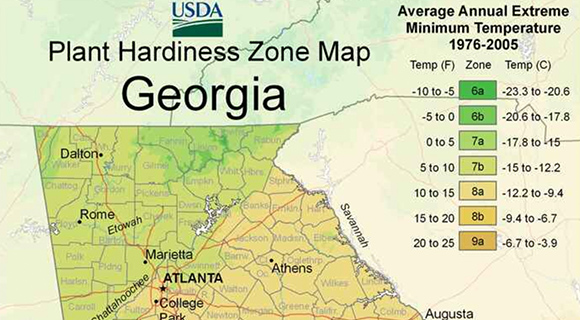
    The USDA Hardiness Zone Map helps you select shrubs best suited for local weather. Roswell is in USDA Hardiness Zone 7b, where winters are typically gentle, and summers deliver abundant heat and humidity. This information guides choices toward species that flourish under these conditions without constant fuss. Consider the following shrub species:

    1. Nandina domestica (Heavenly Bamboo)

    nandina domestica shrub species Roswell Georgia

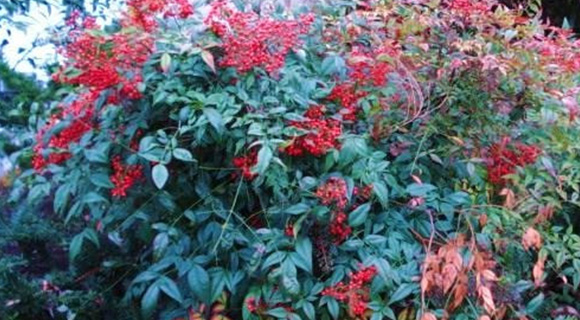
    Nandina domestica brings exotic flair with its evergreen foliage and seasonal berry displays. This shrub tolerates various soils and offers texture and color throughout the year. Its ability to adapt to sun and partial shade makes it great for many garden settings.

    Planting & Growing Tips:

    • Timing: Plant in early spring after frost risk passes; This ensures roots get established before the summer heat.
    • Soil: Choose well-draining, fertile substrate; mix in compost to boost nutrients.
    • Spacing: Arrange plants with sufficient room to encourage airflow.
    • Watering: Water regularly during establishment; gradually reduce frequency as roots deepen.
    • Trimming: Prune lightly in late winter or early spring; remove dead or weak branches for improved structure.

    Common Diseases & Treatments:

    • Leaf Spots: Small, brown lesions may appear on foliage. Treat by removing affected leaves and applying a suitable fungicide.
    • Powdery Mildew: A white, dusty coating may develop. The remedy includes increasing air circulation and using a fungicide as needed.

    2. Spiraea japonica (Japanese Spirea)

    spiraea japonica shrub species Roswell Georgia

    Spiraea japonica presents clusters of bright blooms in summer and turns into an attractive autumn color. This deciduous shrub thrives in full sun and tolerates a range of soil textures. Its compact growth habit makes it ideal for borders or as a focal point in a mixed planting.

    Planting & Growing Tips:

    • Timing: Plant during early spring; favorable temperatures support rapid establishment.
    • Soil: Use a well-draining mix enriched with organic matter; add mulch to conserve moisture.
    • Spacing: Space shrubs adequately to reduce humidity buildup around leaves.
    • Watering: Maintain consistent moisture during the first season; water deeply when established.
    • Trimming: Prune after blooming in late summer; removing spent flower clusters encourages new blooms.

    Common Diseases & Treatments:

    • Rust: Rust-colored spots on leaves may occur. Remove affected foliage and apply a fungicide suitable for shrub applications.
    • Botrytis Blight: Gray mold may appear during prolonged wet periods. Improve air circulation and treat with a fungicide when symptoms emerge.

    3. Hydrangea paniculata (Panicle Hydrangea)

    hydrangea paniculata shrub species Roswell Georgia

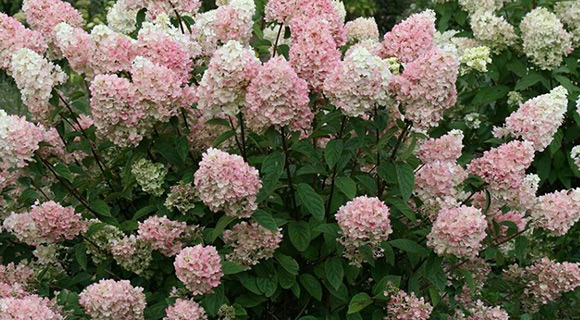
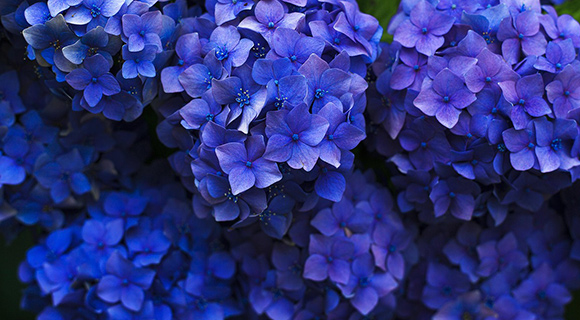
    Hydrangea paniculata offers large, cone-shaped clusters of white blooms that gradually turn pink as the season progresses. This deciduous shrub thrives in sun or partial shade and adapts to well-draining soils with moderate fertility. Its showy flowers and strong branch structure provide lasting interest throughout summer and early fall.

    Planting & Growing Tips:

    • Timing: Plant in early spring when soil is workable; this ensures proper root establishment before summer heat.
    • Soil: Select a well-draining, loamy substrate; mix in compost to enhance moisture retention.
    • Spacing: Provide adequate room between plants to prevent overcrowding and improve sunlight penetration.
    • Watering: Water consistently during establishment; later, deep, infrequent watering supports drought tolerance.
    • Trimming: Cut back in late winter before new growth appears; remove weak, crossing, or damaged branches to maintain shape.

    Common Diseases & Treatments:

    • Leaf Blight: Brown, spotted lesions may develop on foliage. Remove infected leaves and treat with a fungicide following label instructions.
    • Powdery Mildew: Fungal growth may appear during humid conditions. Remedy includes increasing spacing and applying fungicide when necessary.

    Roswell, GA USDA Plant Hardiness Zone

    USDA plant hardiness zone map shrub species Roswell Georgia

    Roswell, GA sits within USDA Plant Hardiness Zone 7b, where winters remain gentle and summers bring high temperatures and humidity. This climate demands grass that thrives in heat while tolerating occasional cool snaps. Understanding local conditions helps in selecting species that flourish and maintain vibrant turf year-round.

    Read more about the USDA Plant Hardiness Zone map and use its interactive tool HERE.

    Hardy Shrubs for Roswell, GA

    plant hardiness zone 7b shrub species Roswell Georgia

    Selecting hardy shrub species tailored to local conditions transforms outdoor spaces into vibrant, low-maintenance landscapes. Nandina domestica, Spiraea japonica, and Hydrangea paniculata each present unique aesthetic qualities with distinct cultural requirements. Embracing detailed planting and growing tips ensures healthy establishment and long-term success. Regular watering during initial stages, proper spacing to reduce humidity, and timely pruning contribute to robust growth. Addressing common diseases early with appropriate fungicide treatments and improved cultural practices minimizes plant stress and extends seasonal beauty.

    Gardening in USDA Hardiness Zone 7b demands species that thrive in heat and tolerate mild winter chills. Understanding local conditions and selecting shrubs suited to these parameters creates a balanced, thriving garden. Consistent care through proper planting techniques, routine maintenance, and proactive disease management leads to a resilient landscape that endures seasonal fluctuations while providing color and structure.

    Home gardeners in Roswell, Georgia, benefit from integrating these hardy shrub species into garden designs. With careful planning and attention to cultural practices, every outdoor space can blossom into a welcoming retreat. Vibrant, healthy shrubs enhance curb appeal and create a habitat for beneficial insects and birds. Embrace these recommendations and enjoy a garden that reflects natural beauty and regional resilience.

    Call THIS arborist for help with trees, shrubs, and soil management.

    Roswell Georgia Shrub Species

    In this article, you discovered essential soil, spacing, watering, and trimming information about three robust shrub species for the Roswell, Georgia, region.

    The right shrubs on your property can add dimension, charm, wind protection, and curb appeal to your home and landscape.

    Ignoring the need to plant shrubs around your yard will leave your property vulnerable to wind gusts and severe erosion in the rainy season.

    Sources:
    planthardiness.ars.usda.gov
    depts.ttu.edu/plantresources/Pages/directories/landscape-info-sheets/woody-info/Nandina_domestica.php
    plants.ces.ncsu.edu/plants/spiraea-japonica
    hort.ifas.ufl.edu/database/documents/pdf/tree_fact_sheets/hydpana.pdf

    Greens and Trees Roswell Ga

     RoswellGA 
    (404) 680-0041

  • 5 Hardy Flowering Plant Species for Roswell, Georgia

    5 Hardy Flowering Plant Species for Roswell, Georgia

    Are you embarrassed by a plain, flowerless landscape? Knowing which flowering plant species to choose in Roswell, Georgia, will help you achieve a beautiful landscape, increasing your home’s curb appeal and value.

    greensandtreesroswellga.com gathered soil, spacing, watering, and trimming information about five hardy flowering plant species for the Roswell, Georgia, region.

    Hardy Flowering Plants for Roswell, GA

    hardiness zone map roswell georgia hardy flowering plant species zone 7b

    The USDA Plant Hardiness Zone Map helps gardeners select species that best adapt to local weather. Roswell lies in USDA Plant Hardiness Zone 7b, where winters are gentle (and summers deliver ample heat). This information directs choices toward species that can handle seasonal fluctuations without constant fuss.

    Below are five species recommended for Roswell gardens, complete with detailed bullet lists highlighting planting, growing, trimming tips, and disease management.

    1. Purple Coneflower (Echinacea purpurea)

    purple coneflower roswell georgia hardy flowering plant species zone 7b

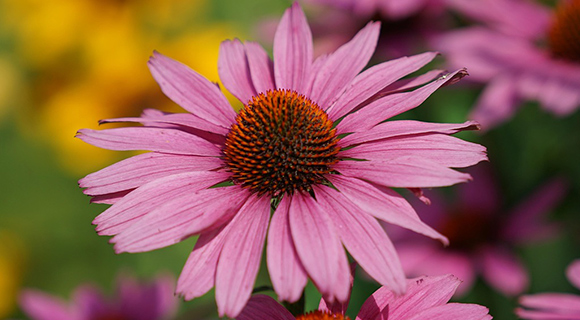
    Purple Coneflowers present stunning daisy-like blooms that brighten landscapes and attract beneficial pollinators. This perennial thrives in sunlit spots and tolerates a range of soil conditions.

    Planting & Growing Tips:

    • Timing: Plant during early spring after danger from frost; ideal for establishing deep roots.
    • Soil: Choose a well-draining, moderately fertile substrate; add compost to boost nutrient content.
    • Spacing: Position plants at recommended intervals to encourage air circulation.
    • Watering: Provide regular, moderate watering during initial growth; reduce frequency once established.
    • Trimming: Remove spent blooms in late summer, encouraging further flowering.

    Common Diseases & Treatments:

    • Leaf Spot: Appears as small, dark lesions on foliage. Treatment involves removing infected parts and using a mild fungicide.
    • Powdery Mildew: Characterized by white, dusty coating on leaves. Remedies include improving airflow and applying fungicide when symptoms appear.

    2. Black-Eyed Susan (Rudbeckia hirta)

    Roswell georgia hardy flowering plant species zone 7b

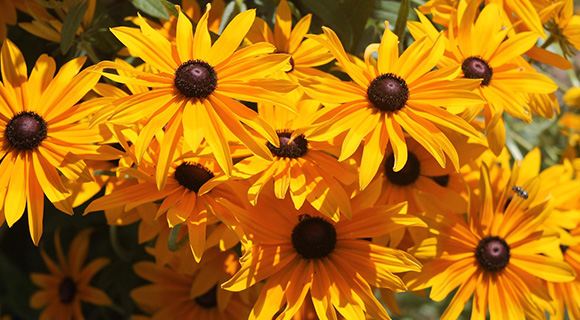
    Black-Eyed Susan plants offer vibrant, golden-yellow blooms that bring cheer to any garden. This robust perennial adapts well to the sun and tolerates various soil types.

    Planting & Growing Tips:

    • Timing: Plant during early spring when temperatures are moderate; ensures steady growth.
    • Soil: Use loose, well-draining soil; incorporate organic matter to boost fertility.
    • Spacing: Space plants adequately to minimize humidity retention.
    • Watering: Water regularly during establishment; allow soil to dry between sessions.
    • Trimming: Prune spent flowers in late summer; encourages a continuous display of blooms.

    Common Diseases & Treatments:

    • Rust: Exhibits as rust-colored spots on foliage. Control involves removing affected leaves and using an appropriate fungicide.
    • Powdery Mildew: Look for white coating on leaves. Remedies include increasing air circulation and avoiding overhead watering.

    3. Daylily (Hemerocallis spp.)

    daylilly roswell georgia hardy flowering plant species zone 7b

    Daylily brings a burst of color with each bloom, with many varieties offering a range of hues. This versatile perennial thrives in sun or partial shade and adapts to various soil types.

    Planting & Growing Tips:

    Timing: Plant during early spring or fall when the weather remains mild.
    Soil: Select a well-draining, nutrient-rich medium; amend with compost to encourage vigorous growth.
    Spacing: Arrange plants with ample room to allow expansion (supports healthy development).
    Watering: Ensure consistent moisture during establishment; moderate watering thereafter.
    Trimming: Remove dead foliage and spent blooms in mid-summer; fosters new growth and cleaner appearance.

    Common Diseases & Treatments:

    Rust: Look for orange, pustule-like spots on leaves. Treatment involves removing infected foliage and applying a fungicide.
    Leaf Spot: Small, brown lesions may appear; improve air circulation and use fungicide if issues persist.

    4. Tickseed (Coreopsis verticillata)

    tickseed flowers roswell georgia hardy flowering plant species zone 7b

    Tickseed dazzles with bright, daisy-like flowers and a fine texture that suits borders and large landscapes. This perennial flourishes in the sun and handles poor soils.

    Planting & Growing Tips:

    Timing: Plant in early spring when temperatures allow steady root development.
    Soil: Opt for well-draining, sandy soil; amend with organic matter to enhance fertility.
    Spacing: Ensure sufficient distance between plants to prevent crowding.
    Watering: Water consistently during establishment; allow soil to dry slightly between sessions.
    Trimming: Prune dead blooms regularly throughout summer; stimulates fresh, continuous flowering.

    Common Diseases & Treatments:

    Powdery Mildew: Often appears as white residue on foliage; remedy includes improved spacing and occasional fungicide application.
    Leaf Spot: Manifested by small, irregular brown patches; managed through proper watering and removal of affected parts.

    5. Garden Sage (Salvia nemorosa)

    garden sage roswell georgia hardy flowering plant species zone 7b

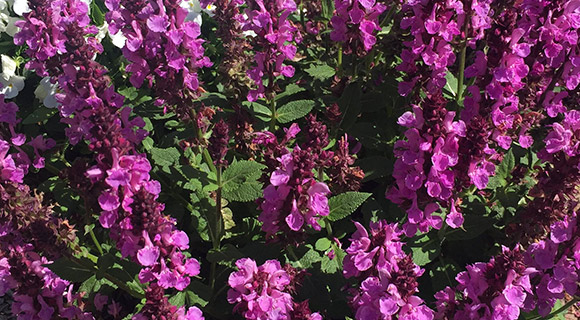
    Garden Sage offers tall spikes adorned with vibrant, tubular flowers that attract hummingbirds and butterflies. This perennial thrives in full sun and tolerates dry, well-drained soil, making it a popular choice for drought-tolerant gardens.

    Planting & Growing Tips:

    Timing: Plant during early spring once frost risk passes; supports early establishment.
    Soil: Use well-draining, moderately fertile substrate; mixing in compost promotes robust growth.
    Spacing: Arrange plants to allow airflow (critical for reducing humidity).
    Watering: Provide moderate, deep watering during dry spells; overwatering may lead to root problems.
    Trimming: Cut back spent flower spikes in the early fall (encourages bushier growth and improved bloom production).

    Common Diseases & Treatments:

    Root Rot: May occur in overly moist conditions; remedy includes ensuring proper drainage and reducing watering frequency.
    Mildew: Mold (white or gray) may develop on leaves under high humidity. Control mold by increasing air circulation and using an appropriate fungicide as needed.

    Roswell, Ga, Flowering Plants

    tickseed roswell georgia hardy flowering plant species zone 7b

    Choosing hardy flowering species tailored to Roswell, Georgia’s climate results in a vibrant, resilient garden. Purple Coneflower, Black-Eyed Susan, Daylily, Tickseed, and Garden Sage each present distinctive charm and require specific care practices. Embracing planting and growing tips with scheduled trimming ensures optimal health and beauty. Addressing common diseases early and applying suitable treatments keeps plants thriving throughout seasonal changes.

    Gardening in USDA Plant Hardiness Zone 7b offers unique challenges and opportunities.
    Homeowners can create a stunning landscape that enhances curb appeal and attracts beneficial pollinators and wildlife. With careful planning and routine maintenance, these five hardy species provide continuous color and texture across gardens year after year. Success lies in understanding local conditions and selecting species that suit these parameters. Regular soil testing, proper watering routines, and timely pruning foster vibrant growth. By following these tips, gardeners can enjoy flourishing flowering plants that brighten outdoor spaces while enduring Roswell’s variable climate.

    A well-planned garden supports biodiversity and creates a haven for local fauna. With these recommendations, every yard can become a haven for beauty and ecological balance. Explore these hardy species and let vibrant blooms transform outdoor spaces into colorful retreats.

    Roswell, GA USDA Plant Hardiness Zone

    Roswell, GA, is in USDA Plant Hardiness Zone 7b, where winters remain gentle, and summers bring high temperatures and humidity. This climate demands grass that thrives in heat while tolerating occasional cold snaps. Understanding local conditions helps you select species that flourish and maintain vibrant turf year-round.

    Read more about the USDA Plant Hardiness Zone map and use its interactive tool HERE.

    Flowering Plants for Roswell Georgia Yards

    In this article, you discovered soil, spacing, watering, and trimming information about five hardy flowering plant species for the Roswell, Georgia, region.

    Planting zone-hardy flowering plants in your yard and garden can increase your home’s curb appeal and value.

    Failure to use hardy flowering plants in your landscape and garden will result in an embarrassing yard and significantly increased maintenance.

    Sources:
    planthardiness.ars.usda.gov
    plants.ces.ncsu.edu/plants/echinacea-purpurea
    extension.uga.edu/publications/detail.html?number=B944&title=flowering-perennials-for-georgia-gardens
    hort.ifas.ufl.edu/database/documents/pdf/shrub_fact_sheets/hemsppa.pdf
    edis.ifas.ufl.edu/publication/FP143
    uaex.uada.edu/yard-garden/resource-library/plant-week/Salvia%20-nemorosa-Rose-Marvel-Sage-05-11-2018%20.aspx

    Greens and Trees Roswell Ga

     RoswellGA 
    (404) 680-0041