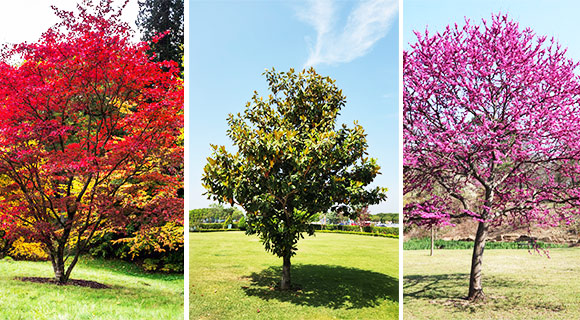
Limited yard space can create a real challenge for homeowners wanting shade, beauty, and structure without overwhelming their property. Large trees can crowd foundations, interfere with utilities, and require constant maintenance (incorrect species selection can lead to root damage or canopy overgrowth). Knowing which small trees thrive in compact landscapes can help you avoid costly mistakes and create a balanced outdoor space that remains manageable and visually appealing.
Greens and Trees Roswell gathered information about small tree species suitable for compact Roswell landscapes to help property owners make informed planting decisions. This article outlines three ideal tree options, detailing growth habits, maintenance needs, and potential risks so you can confidently choose trees that enhance your property without creating long-term issues.
Key Takeaways for Small Tree Species in Compact Roswell Yards
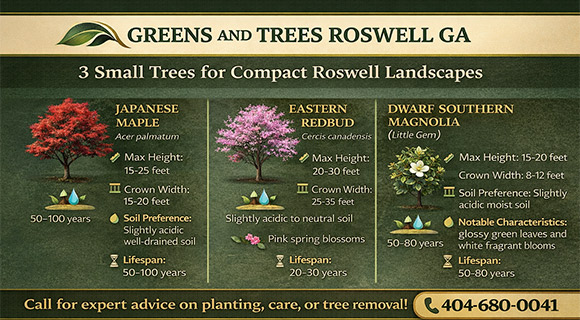
Choosing appropriate trees for compact yards requires careful evaluation of growth characteristics, soil compatibility, and maintenance demands. Small trees provide visual interest and environmental benefits without overwhelming limited space, but selecting the wrong species can lead to overcrowding, root intrusion, or structural conflicts.
One key takeaway is that mature size matters more than initial planting size. Many homeowners choose young trees without considering eventual height or canopy spread. Even trees labeled as small can exceed expectations if not properly maintained. Understanding mature dimensions helps ensure adequate spacing from structures, driveways, and utility lines.
Soil conditions in Roswell also influence tree performance. Most residential areas feature clay-based soils with moderate drainage. Selecting species that tolerate slightly acidic to neutral pH levels improves establishment and long-term health. Amending soil during planting can enhance root development, but species selection remains the primary factor in success.
Maintenance requirements vary significantly between species. Some trees require minimal pruning and naturally maintain a compact form, while others demand regular shaping to prevent overcrowding. Property owners should consider the time and cost associated with upkeep before planting. Trees with strong branch structure and slower growth rates often perform better in confined areas.
Disease resistance and pest tolerance are equally important. Trees prone to fungal infections or insect infestations may struggle in the humid Georgia climate. Selecting resilient species reduces the need for chemical treatments and ongoing intervention. Monitoring for early signs of stress, such as leaf discoloration or branch dieback, allows for timely corrective action.
Proper placement enhances both aesthetics and functionality. Trees should complement existing landscape design while providing shade, privacy, or seasonal interest. Strategic positioning can reduce energy costs by shading structures during summer while allowing sunlight penetration in cooler months.
Finally, professional guidance ensures optimal results. Arborists can evaluate site conditions, recommend suitable species, and provide ongoing care strategies. Investing in expert advice at the planting stage prevents future complications and maximizes the long-term value of landscape improvements.
1. Japanese Maple
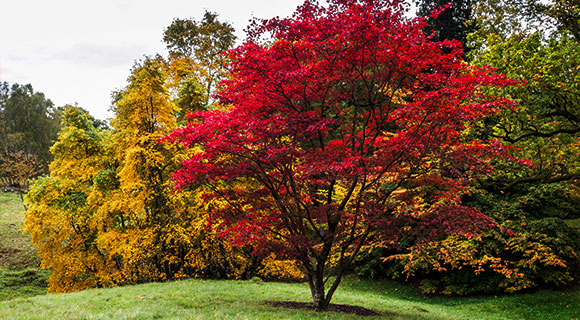
Scientific Name: Acer palmatum
Maximum Height: 15 – 25 feet
Typical Crown Width: 15 – 20 feet
Preferred Soil Type and pH: Well-drained loamy soil with slightly acidic pH between 5.5 and 6.5
Pruning Requirements: Minimal pruning needed – remove dead or crossing branches during the dormant season
Evergreen or Deciduous: Deciduous
Notable Characteristics: Japanese Maple is highly valued for its delicate foliage and vibrant seasonal color. Leaves display shades ranging from deep red to bright green, depending on cultivar. Its graceful branching pattern makes it ideal for focal points in small yards.
Lifespan: 50 – 100 years with proper care
Disease and Pest Problems: Susceptible to root rot in poorly drained soil. Aphids and scale insects may occasionally appear. Leaf scorch can occur during extreme heat or drought conditions.
2. Eastern Redbud
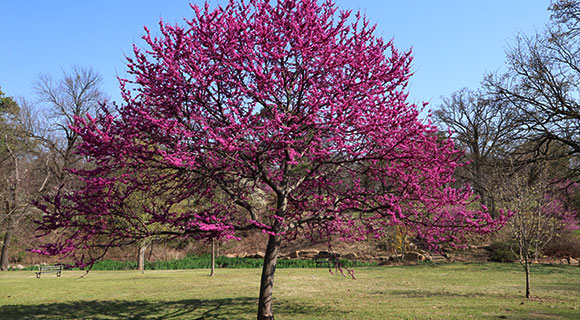
Scientific Name: Cercis canadensis
Maximum Height: 20 – 30 feet
Typical Crown Width: 25 – 35 feet
Preferred Soil Type and pH: Adaptable to various soils, including clay – prefers slightly acidic to neutral pH between 6.0 and 7.0
Pruning Requirements: Light pruning required to maintain structure and remove weak branches
Evergreen or Deciduous: Deciduous
Notable Characteristics: Eastern Redbud produces striking pink-to-purple blooms in early spring before leaves emerge. Heart-shaped leaves provide soft texture throughout the growing season. This tree works well as an ornamental accent in compact spaces.
Lifespan: 20 – 30 years
Disease and Pest Problems: Prone to canker diseases and verticillium wilt. Proper watering and pruning help reduce stress-related issues.
3. Dwarf Southern Magnolia
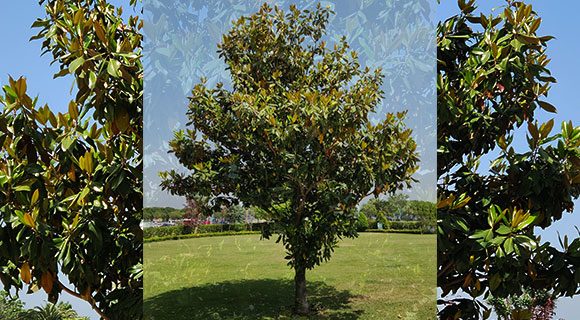
Scientific Name: Magnolia grandiflora ‘Little Gem’
Maximum Height: 15 – 20 feet
Typical Crown Width: 8 – 12 feet
Preferred Soil Type and pH: Moist well-drained soil with slightly acidic pH between 5.0 and 6.5
Pruning Requirements: Minimal pruning – occasional shaping to maintain compact form
Evergreen or Deciduous: Evergreen
Notable Characteristics: This compact magnolia offers glossy green leaves and fragrant white blooms. Its narrow growth habit makes it ideal for tight spaces or privacy screening.
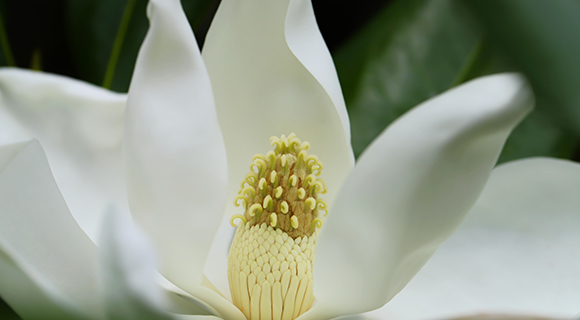
Lifespan: 50 – 80 years
Disease and Pest Problems: Generally resistant, but may experience scale insects or leaf spot. Good airflow reduces disease risk.
Call Greens and Trees Roswell Ga 404-680-0041
Professional evaluation becomes essential when tree health, placement, or maintenance needs exceed typical homeowner knowledge. Greens and Trees Roswell Ga together with New Image Tree Solutions, provides expert arborist services, including tree selection, planting guidance, pruning, and removal.
You should call when:
- Trees show signs of disease, such as discoloration or dieback
- Branches grow too close to structures or power lines
- Root systems begin affecting foundations or walkways
- Storm damage compromises stability
- You need help selecting trees for a limited space
Arborists assess soil conditions, structural integrity, and overall health to recommend appropriate solutions. This ensures trees remain safe, healthy, and well-suited to your landscape.
When to Have Trees, Shrubs, and Plants Fertilized, Pruned, or Removed
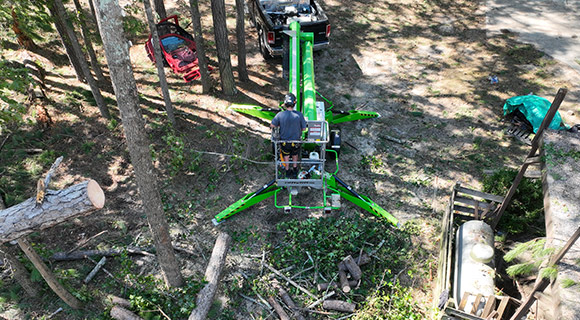
Proper maintenance timing plays a critical role in plant health and landscape performance.
Fertilization
Fertilize during early spring or late fall when roots actively absorb nutrients. Avoid over-fertilization, which can stress plants and encourage weak growth.
Pruning
Prune during the dormant season for most species to promote healthy growth. Remove dead or damaged branches immediately, regardless of the season. Light shaping throughout the growing season may be necessary for ornamental trees.
Removal
Removal becomes necessary when:
- The tree shows extensive disease that cannot be treated
- Structural damage creates a safety hazard
- Root systems cause property damage
- The tree outgrows its available space
- Infestation spreads beyond control
Timely removal prevents further damage and allows replacement with more suitable species.
Small Trees for Compact Landscapes
This article explored three small tree species well-suited for compact Roswell landscapes, including Japanese Maple, Eastern Redbud, and Dwarf Southern Magnolia. You learned how each tree grows, what conditions it prefers, and how to manage potential risks related to disease, pests, and maintenance. Understanding these factors allows for informed decisions that support both aesthetics and functionality.
Applying this knowledge leads to a well-balanced landscape that enhances property value while remaining easy to maintain. Proper tree selection, placement, and care create a visually appealing environment that thrives in limited space without causing structural or maintenance challenges.
Ignoring these considerations can result in overcrowded landscapes, unhealthy trees, and costly repairs. Poor species selection often leads to excessive pruning, disease issues, or premature removal, reducing long-term value and increasing frustration for property owners.
(404) 680-0041

