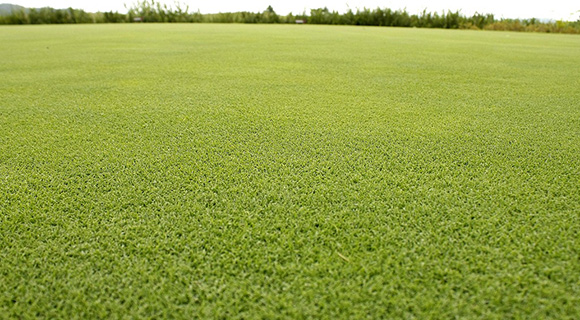
Avoid the embarrassment of an unhealthy, ugly lawn. Knowing which grass species to plant in Roswell, Georgia, will help you achieve a beautiful lawn, increasing your home’s curb appeal and esthetic value.
greensandtreesroswellga.com gathered (soil, planting, watering, and mowing) information about three hardy grass species for the Roswell, Georgia, area.
Roswell, GA USDA Plant Hardiness Zone
Roswell, GA, is in USDA Plant Hardiness Zone 7b, where winters remain gentle, and summers bring high temperatures and humidity. This climate demands grass that thrives in heat while tolerating occasional cold snaps. Understanding local conditions helps you select species that flourish and maintain vibrant turf year-round.
Read more about the USDA Plant Hardiness Zone map and use its interactive tool HERE.
1. Bermudagrass in Roswell

Bermudagrass is a warm-season turf known for rapid growth and exceptional drought tolerance. Its dense growth pattern creates a thick lawn that competes well with weeds. Best suited for sunny areas, Bermudagrass remains popular among homeowners seeking resilient ground cover.
Planting and Growing Tips:
- Timing: Plant during late spring when the soil is warm. This is ideal for rapid root development.
- Soil Preparation: Work compost and sand into the soil; this improves drainage and a nutrient-rich base.
- Planting Method: Use quality sod or seed; follow recommended spacing guidelines for proper turf formation.
- Watering: Water consistently during establishment; gradually reduce frequency once roots deepen.
- Mowing: Begin mowing when blades reach approximately 1.5 inches; trim to approximately 1 inch to encourage density and curb spread.
Common Diseases and Treatments:
- Dollar Spot: This disease appears as small, circular patches with bleached centers. The remedy includes modifying watering routines and applying targeted fungicides.
- Rust: This disease manifests as yellow-orange spotting on blades. Prevent rust by employing early morning watering and treating affected areas with suitable fungicides. Regular soil aeration and balanced fertilization help maintain plant health.
2. Roswell Zoysiagrass
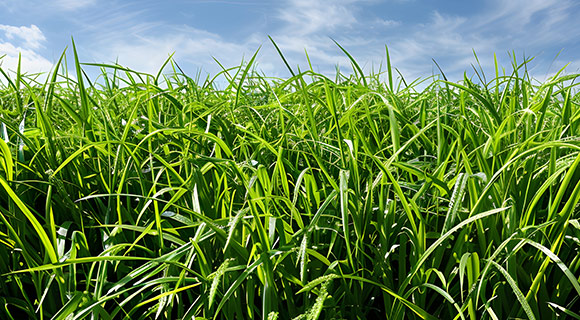
Zoysiagrass is a dense, fine-textured turf that excels in full sun and requires moderate water. Its slow-growing nature means less frequent mowing and lower maintenance overall. This grass species adapts to heat, making it a popular choice for Roswell landscapes.
Planting and Growing Tips:
- Timing: Plant in late spring when temperatures consistently warm; this ensures successful root establishment.
- Soil Preparation: Loosen soil and mix in organic matter; aim for enhanced moisture retention and nutrient availability.
- Planting Method: Choose sod or plugs; arrange them evenly to promote uniform growth across the lawn.
- Watering: Maintain deep, infrequent watering schedules once established; this promotes robust, drought-resistant roots.
- Mowing: Mow when blades reach 2 inches; reduce the height to around 1.5 inches to maintain appearance and prevent thatch buildup.
Common Diseases and Treatments:
- Brown Patch: Recognized by circular, brown lesions on turf. Improve drainage and apply fungicides to control outbreaks.
- Leaf Spot: Presents as discolored speckles scattered along blades. Remedy by reducing overhead watering, enhancing air circulation, and treating with appropriate fungicide. Consistent fertilization and proper mowing practices contribute to overall turf resilience.
3. Tall Fescue for Roswell GA
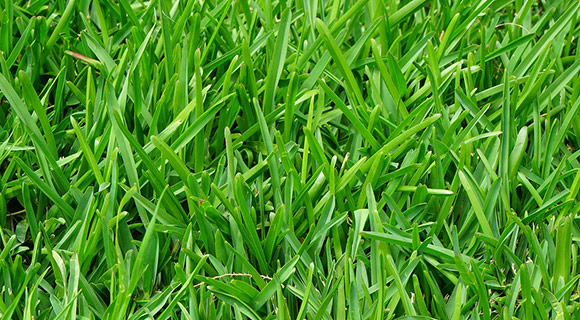
Tall Fescue, a cool-season turf, adapts well to partial shade and transitional climates. Its deep root system provides durability and resistance to drought. Tall Fescue offers an attractive lawn even in mixed sun and shade settings, making it suitable for many Roswell yards.
Planting and Growing Tips:
- Timing: Plant during early fall or spring when cooler weather supports seed germination and establishment.
- Soil Preparation: Incorporate compost or other organic amendments; this enhances soil structure and drainage.
- Planting Method: Use high-quality seed or sod; distribute evenly and follow recommended seeding rates to achieve uniform coverage.
- Watering: Water frequently during initial germination; transition to deep, occasional watering once established.
- Mowing: Mow when blades reach 3 to 4 inches; cut back to approximately 2.5 inches to promote a healthy crown and discourage weed invasion.
Common Diseases and Treatments:
- Leaf Spot: Appears as small, dark lesions on turf blades. Address by applying fungicide, reducing excess moisture, and thinning dense growth to improve air circulation.
- Fusarium Blight: This disease causes wilting and discoloration; respond by adjusting watering practices to avoid prolonged moisture and using recommended fungicide treatments. Regular soil testing and balanced nutrient applications help maintain disease resistance.
Read more about Fusarium Blight at ipm.ucanr.edu/agriculture/turfgrass/fusarium-blight/#gsc.tab=0
Grass Selection for Roswell, Georgia
Selecting grass species adapted to local conditions is key to creating a lush, low-maintenance lawn in Roswell, Georgia. Bermudagrass, Zoysiagrass, and Tall Fescue each offer distinct benefits for different areas and lifestyles. Whether a homeowner seeks rapid coverage, texture, or shade tolerance, these species provide practical solutions tailored to local climate challenges.
Successful lawn care depends on proper planting techniques, regular maintenance, and prompt attention to common diseases. Following suggested bullet guidelines helps ensure robust turf establishment and long-lasting beauty. With careful soil preparation, appropriate watering schedules, and timely mowing, these grass species can flourish and contribute to a welcoming outdoor environment. Disease prevention through cultural practices and timely fungicide applications supports healthy growth and minimizes turf stress.
Enhancing landscapes with grass species adapted to USDA Plant Hardiness Zone 7b builds a foundation for sustainable, attractive Roswell yards. Enjoy enhanced curb appeal, reduced maintenance demands, and a greener community (by embracing these resilient turf options). By paying close attention to planting schedules, soil improvement strategies, and routine mowing practices, every lawn can become a vibrant, durable outdoor space that endures seasonal fluctuations.
Healthy lawns contribute positively to overall property value and community beauty. Grass care routines tailored to local weather conditions support ecological balance while providing spaces for relaxation and outdoor enjoyment. Whether opting for Bermudagrass, Zoysiagrass, or Tall Fescue, homeowners in Roswell, Georgia, have reliable options to build and maintain high-quality turf that stands up to environmental challenges and remains inviting year after year.
Read more about growing a healthy lawn at extension.uga.edu/publications/detail.html?number=C1009&title=ten-steps-to-a-healthier-home-lawn
Roswell, Georgia, Grass
In this article, you discovered soil, planting, watering, and mowing data and resources about three hardy grass species for the Roswell, Georgia, region.
Planting zone 7b hardy grass species in your Roswell, Georgia, landscape will help you grow and care for a vibrant, beautiful lawn.
Failure to plant zone-hardy grass species will leave you with an embarrassing and difficult-to-maintain yard riddled with yellow and dying patches.
Sources:
planthardiness.ars.usda.gov
extension.uga.edu/content/dam/extension-county-offices/forsyth-county/anr/ZoysiagrassLawnCalendar.pdf
secure.caes.uga.edu/extension/publications/files/pdf/L%20354_3.PDF
hgic.clemson.edu/factsheet/bermudagrass-maintenance-calendar/
extension.uga.edu/publications/detail.html?number=B911&title=bermudagrass-in-georgia
(404) 680-0041
 Greens and Trees Roswell Ga