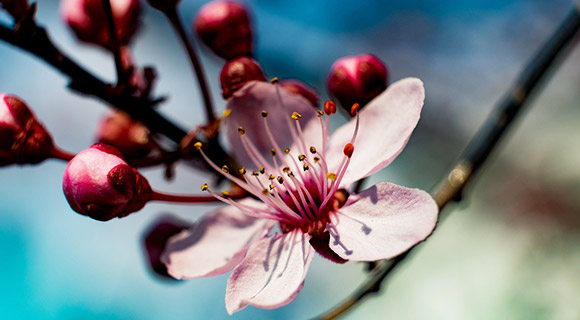
Tag: flowers

  • Spring Tree and Shrub Care

    Spring Tree and Shrub Care

    Are you ready to get your brittle and dry landscape in shape for the coming growing season? Understanding proper spring tree and shrub care eliminates confusion, helping protect landscape investments while setting plants up for strong seasonal performance.

    greensandtreesroswellga.com gathered information about seasonal tree and shrub preparation, arborist-guided care strategies, and common mistakes that limit plant health during early spring. This guidance provides you with practical steps that support safe growth, reduce risk, and improve landscape appearance through informed decisions.

    Preparing Trees and Shrubs for Spring Growth
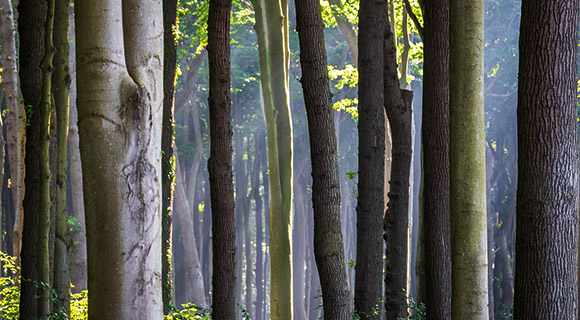
    spring bark inspection for trees and shrubs

    Spring preparation begins with careful observation. Inspect bark condition, branch structure, bud development, and soil moisture. Winter damage often shows through cracked bark, dieback, or broken limbs. Early identification allows targeted action before stress spreads.

    Soil assessment plays a significant role. Compacted ground restricts root expansion and water movement. Light aeration near root zones improves oxygen flow and nutrient access. Mulch application helps regulate temperature and moisture, yet depth matters. Apply mulch in a shallow ring away from trunks to avoid rot and pest attraction.

    Hydration supports early growth. Trees and shrubs require steady moisture during bud break, yet saturated soil invites root decline. Slow deep watering encourages deeper root development while limiting surface evaporation.

    Fertilization should follow plant needs rather than routine habits. Spring feeding supports growth when nutrients match species requirements. Soil testing clarifies deficiencies and prevents overfeeding, often resulting in weak growth and pest pressure.

    Actions to Avoid During Late Winter and Early Spring
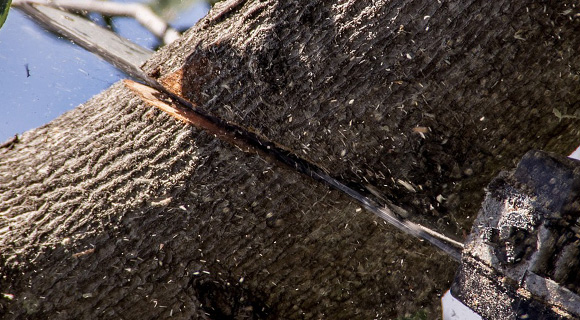
    spring pruning for trees and shrubs

    Some actions cause more harm than benefit during seasonal transitions. Heavy pruning during early spring can remove energy-storing branches and limit flowering potential. Pruning decisions should align with species timing and health conditions.

    Avoid excessive fertilizer use. Rapid nutrient release can stimulate premature growth before roots are ready for it. This imbalance increases stress vulnerability during temperature swings.

    Refrain from piling mulch against stems or trunks. Moisture trapped near the bark leads to decay and insect problems. Proper spacing protects plant structure while still offering soil protection.

    Delaying removal for damaged limbs poses safety concerns. Broken branches can fall during storms, causing injury or property damage. Prompt professional assessment reduces risk.

    When to Call an Arborist
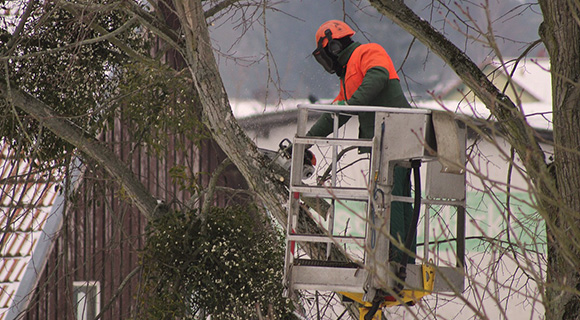
    spring arborist care for trees and shrubs

    An arborist brings specialized knowledge for complex situations. Call an arborist when trees show extensive dieback, leaning, fungal growth, or insect activity. Structural weakness is often concealed beneath bark, requiring trained evaluation.

    Storm-related damage demands professional review. Arborists assess stability, determine pruning needs, and recommend removal when hazards appear. Early intervention limits liability and preserves valuable specimens.

    Disease symptoms such as leaf discoloration, premature drop, or oozing sap require expert diagnosis. Arborists identify pathogens and apply targeted treatments that general care cannot resolve.

    Why Call Greens and Trees Roswell Ga (404) 680-0041
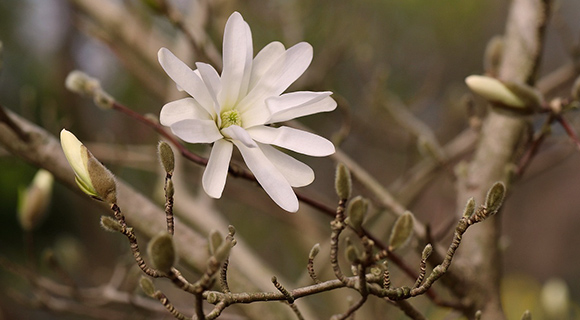
    spring care for flowering trees and shrubs

    Greens and Trees Roswell Ga together with New Image Tree Solutions, delivers arborist-led services focusing on plant health, safety, and long-term performance. Their team evaluates trees and shrubs utilizing science-based methods rather than guesswork. This approach ensures accurate diagnosis and appropriate care plans.

    Their experience with regional soil conditions and climate patterns allows precise timing for pruning, fertilization, and removal. Property owners gain peace through proactive management rather than reactive repairs.

    Safety remains a priority. Proper equipment and training reduce risk during pruning or removal activities. Greens and Trees Roswell Ga protects surrounding structures, landscapes, and people during every project.

    Timing Fertilization, Pruning, and Removal

    spring fertilizing for trees and shrubs

    Fertilization is ideal for early spring. This is when roots activate and nutrient uptake increases. Apply balanced products after a soil assessment to avoid imbalance. Slow-release options support steady growth.

    Pruning timing varies by species. Many shrubs benefit from light shaping after blooming, while structural tree pruning often works best before foliage returns. Avoid aggressive cuts that may weaken the structure.

    Removal becomes necessary when trees decline beyond recovery or pose safety risks. Early spring allows efficient removal before full canopy development, reducing disruption.

    Key Takeaways for Spring Tree and Shrub Care
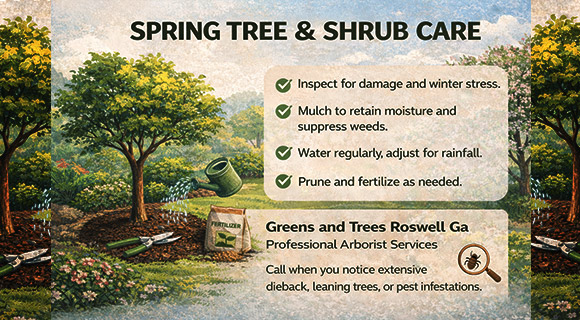
    spring care for trees and shrubs

    Spring care requires intention rather than habit. Observation forms a foundation for all actions. Evaluate plant condition before making decisions. Early detection allows correction before stress escalates.

    1. Water management supports recovery after winter dormancy. Consistent moisture encourages root activity while preventing saturation-related decline. Adjust schedules based on rainfall and soil type.
    2. Mulch application offers benefits when used correctly. Maintain shallow depth and proper spacing. This practice stabilizes soil temperature and moisture while preventing decay.
    3. Fertilization works best through informed planning. Soil testing guides nutrient selection and rate. Balanced feeding strengthens growth without encouraging weak development.
    4. Pruning decisions influence structure and health. Strategic cuts improve airflow, light penetration, and strength. Avoid excessive removal during early growth stages.
    5. Arborist involvement adds expertise for complex issues. Professional evaluation prevents costly mistakes and improves outcomes for mature trees and valuable shrubs.
    6. Greens and Trees Roswell Ga provides reliable guidance through trained teams and region-specific knowledge. Their services combine safety, efficiency, and long-term planning.
    7. Spring preparation influences performance through summer and beyond. Proper care improves resilience against pests, disease, and severe weather.

    Ignoring preparation often leads to decline. Weak growth attracts insects, increases breakage risk, and reduces landscape appeal. Preventive action protects both plants and property value.
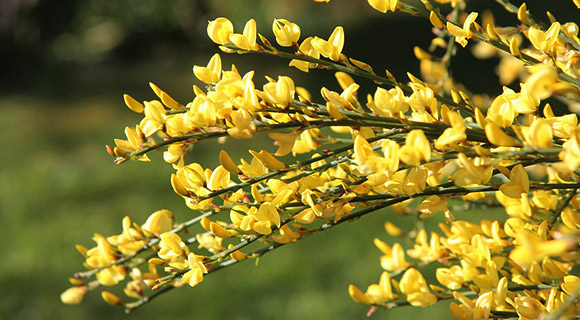
    spring care for trees and shrubs yellow blossoms

    Tree and Shrub Spring Readiness

    This article outlines practical strategies for spring tree and shrub care, covering preparation steps, actions to avoid, arborist involvement, and service benefits through Greens and Trees Roswell Ga. Readers learned how informed decisions improve plant health and safety.

    Applying these practices will result in stronger growth, improved appearance, and reduced risk during storm seasons. Professional support ensures accuracy and long-term success across landscapes.

    Failing to follow proper spring care often leads to declining trees, increased hazards, and higher future costs. Proactive management prevents these outcomes and preserves healthy landscapes.

    Sources:
    yardandgarden.extension.iastate.edu/how-to/proper-time-prune-trees-and-shrubs
    purdue.edu/fnr/extension/spring-tree-preparations

    Greens and Trees Roswell Ga

     RoswellGA 
    (404) 680-0041
  • 5 Hardy Flowering Plant Species for Roswell, Georgia

    5 Hardy Flowering Plant Species for Roswell, Georgia

    Are you embarrassed by a plain, flowerless landscape? Knowing which flowering plant species to choose in Roswell, Georgia, will help you achieve a beautiful landscape, increasing your home’s curb appeal and value.

    greensandtreesroswellga.com gathered soil, spacing, watering, and trimming information about five hardy flowering plant species for the Roswell, Georgia, region.

    Hardy Flowering Plants for Roswell, GA

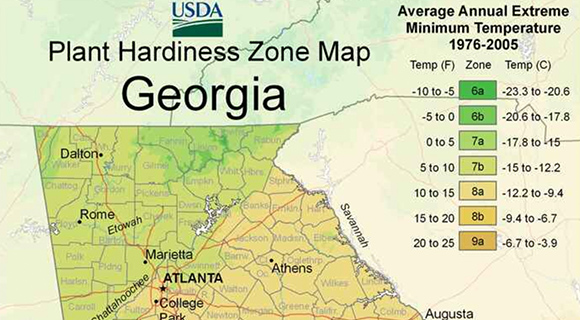
    hardiness zone map roswell georgia hardy flowering plant species zone 7b

    The USDA Plant Hardiness Zone Map helps gardeners select species that best adapt to local weather. Roswell lies in USDA Plant Hardiness Zone 7b, where winters are gentle (and summers deliver ample heat). This information directs choices toward species that can handle seasonal fluctuations without constant fuss.

    Below are five species recommended for Roswell gardens, complete with detailed bullet lists highlighting planting, growing, trimming tips, and disease management.

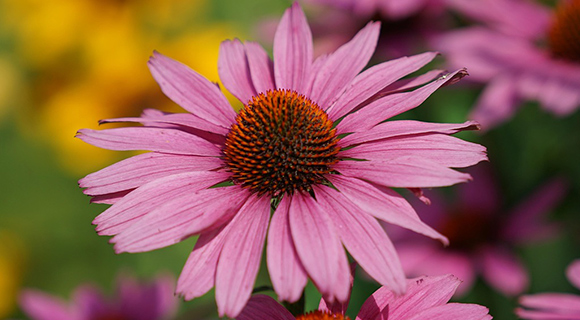
    1. Purple Coneflower (Echinacea purpurea)

    purple coneflower roswell georgia hardy flowering plant species zone 7b

    Purple Coneflowers present stunning daisy-like blooms that brighten landscapes and attract beneficial pollinators. This perennial thrives in sunlit spots and tolerates a range of soil conditions.

    Planting & Growing Tips:

    • Timing: Plant during early spring after danger from frost; ideal for establishing deep roots.
    • Soil: Choose a well-draining, moderately fertile substrate; add compost to boost nutrient content.
    • Spacing: Position plants at recommended intervals to encourage air circulation.
    • Watering: Provide regular, moderate watering during initial growth; reduce frequency once established.
    • Trimming: Remove spent blooms in late summer, encouraging further flowering.

    Common Diseases & Treatments:

    • Leaf Spot: Appears as small, dark lesions on foliage. Treatment involves removing infected parts and using a mild fungicide.
    • Powdery Mildew: Characterized by white, dusty coating on leaves. Remedies include improving airflow and applying fungicide when symptoms appear.

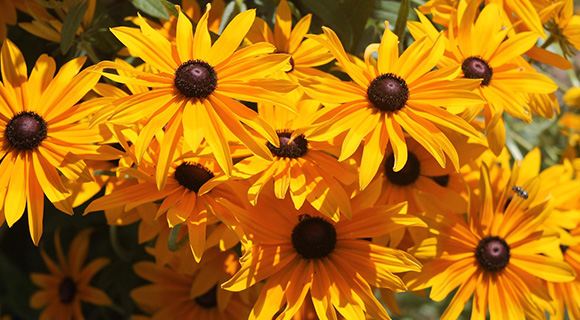
    2. Black-Eyed Susan (Rudbeckia hirta)

    Roswell georgia hardy flowering plant species zone 7b

    Black-Eyed Susan plants offer vibrant, golden-yellow blooms that bring cheer to any garden. This robust perennial adapts well to the sun and tolerates various soil types.

    Planting & Growing Tips:

    • Timing: Plant during early spring when temperatures are moderate; ensures steady growth.
    • Soil: Use loose, well-draining soil; incorporate organic matter to boost fertility.
    • Spacing: Space plants adequately to minimize humidity retention.
    • Watering: Water regularly during establishment; allow soil to dry between sessions.
    • Trimming: Prune spent flowers in late summer; encourages a continuous display of blooms.

    Common Diseases & Treatments:

    • Rust: Exhibits as rust-colored spots on foliage. Control involves removing affected leaves and using an appropriate fungicide.
    • Powdery Mildew: Look for white coating on leaves. Remedies include increasing air circulation and avoiding overhead watering.

    3. Daylily (Hemerocallis spp.)

    daylilly roswell georgia hardy flowering plant species zone 7b

    Daylily brings a burst of color with each bloom, with many varieties offering a range of hues. This versatile perennial thrives in sun or partial shade and adapts to various soil types.

    Planting & Growing Tips:

    Timing: Plant during early spring or fall when the weather remains mild.
    Soil: Select a well-draining, nutrient-rich medium; amend with compost to encourage vigorous growth.
    Spacing: Arrange plants with ample room to allow expansion (supports healthy development).
    Watering: Ensure consistent moisture during establishment; moderate watering thereafter.
    Trimming: Remove dead foliage and spent blooms in mid-summer; fosters new growth and cleaner appearance.

    Common Diseases & Treatments:

    Rust: Look for orange, pustule-like spots on leaves. Treatment involves removing infected foliage and applying a fungicide.
    Leaf Spot: Small, brown lesions may appear; improve air circulation and use fungicide if issues persist.

    4. Tickseed (Coreopsis verticillata)

    tickseed flowers roswell georgia hardy flowering plant species zone 7b

    Tickseed dazzles with bright, daisy-like flowers and a fine texture that suits borders and large landscapes. This perennial flourishes in the sun and handles poor soils.

    Planting & Growing Tips:

    Timing: Plant in early spring when temperatures allow steady root development.
    Soil: Opt for well-draining, sandy soil; amend with organic matter to enhance fertility.
    Spacing: Ensure sufficient distance between plants to prevent crowding.
    Watering: Water consistently during establishment; allow soil to dry slightly between sessions.
    Trimming: Prune dead blooms regularly throughout summer; stimulates fresh, continuous flowering.

    Common Diseases & Treatments:

    Powdery Mildew: Often appears as white residue on foliage; remedy includes improved spacing and occasional fungicide application.
    Leaf Spot: Manifested by small, irregular brown patches; managed through proper watering and removal of affected parts.

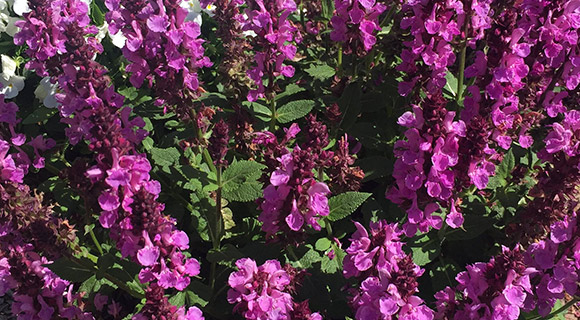
    5. Garden Sage (Salvia nemorosa)

    garden sage roswell georgia hardy flowering plant species zone 7b

    Garden Sage offers tall spikes adorned with vibrant, tubular flowers that attract hummingbirds and butterflies. This perennial thrives in full sun and tolerates dry, well-drained soil, making it a popular choice for drought-tolerant gardens.

    Planting & Growing Tips:

    Timing: Plant during early spring once frost risk passes; supports early establishment.
    Soil: Use well-draining, moderately fertile substrate; mixing in compost promotes robust growth.
    Spacing: Arrange plants to allow airflow (critical for reducing humidity).
    Watering: Provide moderate, deep watering during dry spells; overwatering may lead to root problems.
    Trimming: Cut back spent flower spikes in the early fall (encourages bushier growth and improved bloom production).

    Common Diseases & Treatments:

    Root Rot: May occur in overly moist conditions; remedy includes ensuring proper drainage and reducing watering frequency.
    Mildew: Mold (white or gray) may develop on leaves under high humidity. Control mold by increasing air circulation and using an appropriate fungicide as needed.

    Roswell, Ga, Flowering Plants

    tickseed roswell georgia hardy flowering plant species zone 7b

    Choosing hardy flowering species tailored to Roswell, Georgia’s climate results in a vibrant, resilient garden. Purple Coneflower, Black-Eyed Susan, Daylily, Tickseed, and Garden Sage each present distinctive charm and require specific care practices. Embracing planting and growing tips with scheduled trimming ensures optimal health and beauty. Addressing common diseases early and applying suitable treatments keeps plants thriving throughout seasonal changes.

    Gardening in USDA Plant Hardiness Zone 7b offers unique challenges and opportunities.
    Homeowners can create a stunning landscape that enhances curb appeal and attracts beneficial pollinators and wildlife. With careful planning and routine maintenance, these five hardy species provide continuous color and texture across gardens year after year. Success lies in understanding local conditions and selecting species that suit these parameters. Regular soil testing, proper watering routines, and timely pruning foster vibrant growth. By following these tips, gardeners can enjoy flourishing flowering plants that brighten outdoor spaces while enduring Roswell’s variable climate.

    A well-planned garden supports biodiversity and creates a haven for local fauna. With these recommendations, every yard can become a haven for beauty and ecological balance. Explore these hardy species and let vibrant blooms transform outdoor spaces into colorful retreats.

    Roswell, GA USDA Plant Hardiness Zone

    Roswell, GA, is in USDA Plant Hardiness Zone 7b, where winters remain gentle, and summers bring high temperatures and humidity. This climate demands grass that thrives in heat while tolerating occasional cold snaps. Understanding local conditions helps you select species that flourish and maintain vibrant turf year-round.

    Read more about the USDA Plant Hardiness Zone map and use its interactive tool HERE.

    Flowering Plants for Roswell Georgia Yards

    In this article, you discovered soil, spacing, watering, and trimming information about five hardy flowering plant species for the Roswell, Georgia, region.

    Planting zone-hardy flowering plants in your yard and garden can increase your home’s curb appeal and value.

    Failure to use hardy flowering plants in your landscape and garden will result in an embarrassing yard and significantly increased maintenance.

    Sources:
    planthardiness.ars.usda.gov
    plants.ces.ncsu.edu/plants/echinacea-purpurea
    extension.uga.edu/publications/detail.html?number=B944&title=flowering-perennials-for-georgia-gardens
    hort.ifas.ufl.edu/database/documents/pdf/shrub_fact_sheets/hemsppa.pdf
    edis.ifas.ufl.edu/publication/FP143
    uaex.uada.edu/yard-garden/resource-library/plant-week/Salvia%20-nemorosa-Rose-Marvel-Sage-05-11-2018%20.aspx

    Greens and Trees Roswell Ga

     RoswellGA 
    (404) 680-0041